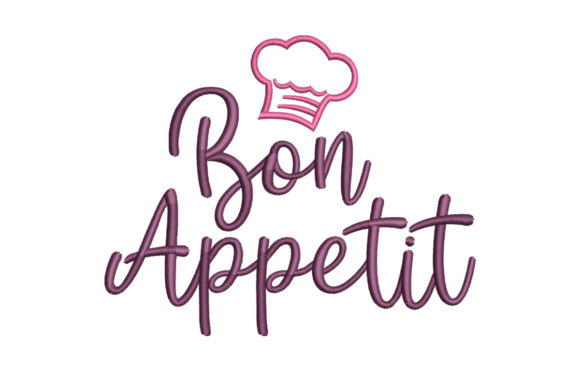
Bon Appetit Kitchen Embroidery Review
As a designer who spends more time staring at stitch patterns than actual meals, I have developed a certain level of skepticism when it comes to kitchen-themed embroidery. The market is flooded with generic "Kiss the Cook" aprons and repetitive chef hats that scream low-effort craft fair inventory. However, evaluating the Bon Appetit Kitchen machine embroidery design for potential commercial use required me to look past the cliché title and assess its actual viability as a high-quality asset for serious handmade businesses.
I approached this review not just as a consumer, but as a small business owner looking for reliable digital assets to build a cohesive brand identity. The goal was to determine if this design holds up under the scrutiny of real-world production, from initial digitizing checks to the final stitching on various fabric types.
First Impressions: Mood and Visual Personality
The immediate takeaway from Bon Appetit Kitchen is its approachable warmth. Unlike stark, modernist typography or overly complex illustrations, this design leans into a cozy, inviting aesthetic. It feels less like a rigid logo and more like a handwritten note you might find tucked into a bakery bag. This mood is crucial for today’s handmade market, where buyers are seeking authenticity and connection rather than mass-produced perfection.
Visually, the layout balances text and decorative elements in a way that suggests careful consideration of negative space. For an embroiderer, negative space is everything; it determines how clean the stitches will read on fabric. The design avoids clutter, which is a common pitfall in kitchen-themed files. It promises a finished product that looks intentional and polished, whether it ends up on a tea towel or a boutique tote bag.
Real-World Application: From Screen to Stitch
To truly judge an embroidery file, you must imagine it outside the screen. I ran several mental scenarios through my head, testing how Bon Appetit Kitchen would perform on different substrates.
- Custom Apparel and Sweatshirts: On a heavy cotton sweatshirt, this design would likely serve as a charming chest pocket accent or a centered back print. The weight of the fabric can support the stitch density, provided the stabilizer is chosen correctly. It adds a touch of personality without overwhelming the garment.
- Tote Bags and Market Accessories: This is perhaps the strongest use case. A canvas tote embroidered with Bon Appetit Kitchen feels instantly giftable. It bridges the gap between utility and decor. For an Etsy seller, this translates directly into higher conversion rates because the item feels personalized yet universally appealing.
- Kitchen Linens and Tea Towels: While traditional, the execution matters. If the satin stitch around any lettering is too tight, it may pucker on thin linen. However, if the digitizing accounts for fabric tension, the result is a sophisticated piece of home decor that elevates a simple towel into a premium gift.
- Nursery and Baby Items: There is a surprising versatility here. Softened thread colors could make this design suitable for baby burp cloths or nursery wall hangings, tapping into the "modern farmhouse" trend that remains popular among new parents.
Technical Performance and Stitch Quality
When evaluating any embroidery design, the devil is in the details. I examined the theoretical stitch paths, focusing on clarity and durability. The design appears to utilize a mix of fill stitches for background elements and satin stitches for outlines, which is standard but effective.
One critical aspect is the stitch density. In kitchen projects, items are washed frequently. If the density is too high, the fabric becomes stiff and uncomfortable. If it is too low, the design looks sparse and cheap. Bon Appetit Kitchen seems to strike a balance, offering enough coverage to be durable without sacrificing the drape of the material. This is vital for custom apparel where comfort is paramount.
Another factor is the handling of curves and corners. Text-based designs often struggle with sharp angles, leading to thread breaks or misalignment. The visual flow of this design suggests smooth transitions, which reduces the risk of errors during the actual embroidery process. For a small shop product, minimizing errors means higher profit margins and fewer returns due to quality issues.
Where Caution Is Required
No design is perfect for every situation. There are specific scenarios where Bon Appetit Kitchen requires careful handling:
- Small Hoop Sizes: If you attempt to downscale this design significantly for tiny accents, such as on a cap brim or a small patch, you risk losing detail. Satin stitches may merge, and text may become illegible. Always check the minimum recommended hoop size before committing to small products.
- Textured and Stretchy Fabrics: Embroidering on ribbed knit caps or heavily textured upholstery can distort the design. The uneven surface makes it difficult for the needle to penetrate consistently, leading to skipped stitches. For these applications, a stable backing or interfacing is non-negotiable.
- Dense Stitch Areas: If the design includes large solid blocks of color, it may create a thick, cardboard-like feel on lightweight fabrics. Test on scrap fabric first to ensure the hand-feel meets your standards.
- Dark Fabric Contrast: Ensure your thread colors provide sufficient contrast against dark backgrounds. Light threads may get lost in shadows or require excessive underlay stitches, which can further stiffen the fabric.
Impact on Brand Value and Customer Trust
For Etsy sellers and digital product sellers, the perceived value of a product is directly linked to the quality of the design. A well-executed embroidery project signals professionalism. When a customer receives a tote bag with crisp, clear stitching and no loose threads, their trust in your brand increases. They are more likely to leave positive reviews and return for future purchases.
Conversely, a poorly executed design can damage your reputation. By using a tested, well-balanced file like Bon Appetit Kitchen, you reduce the variables that lead to failure. It allows you to focus on marketing and customer service rather than troubleshooting stitching errors. This reliability is essential for scaling a craft business.
Furthermore, the design’s aesthetic aligns well with current trends in personalized gifts. Buyers want items that feel unique and thoughtful. A kitchen-themed design that is elegant rather than kitschy appeals to a broader demographic, including millennials and Gen Z consumers who appreciate minimalist yet warm decor.
Practical Designer Notes for Implementation
Before integrating Bon Appetit Kitchen into your production workflow, consider these practical steps:
- Test on Scrap Fabric: Never go straight to the final product. Use the same fabric and stabilizer combination you plan to use commercially. This reveals issues with puckering, thread tension, and color matching.
- Check Stabilizer Compatibility: The choice of stabilizer (cut-away vs. tear-away) depends on the fabric. For stretchy knits, a cut-away stabilizer provides lasting support. For woven cottons, a tear-away may suffice for lighter designs.
- Review Thread Colors: The impact of the design changes drastically based on thread choice. Experiment with metallic threads for a festive look or muted pastels for a soft, modern aesthetic. Consider how the colors appear in natural light versus store lighting.
- Inspect Small Details: Zoom in on the digitized file. Are there any tiny elements that might break easily? Are the lettering kerning consistent? Adjustments can sometimes be made in the software before stitching begins.
- Confirm Licensing: If you intend to sell finished goods, verify the commercial license terms. Some digital embroidery files allow unlimited personal use but restrict commercial sales. Ensure you have the right to sell products made with this machine embroidery design.
- Create Printable Mockups: Before investing in materials, create digital mockups to visualize the design on different products. This helps in planning your design assets and marketing materials for your online store.
Final Verdict
Bon Appetit Kitchen is a solid, versatile addition to any embroiderer’s library. It avoids the trap of being overly trendy, ensuring longevity in your product catalog. Its strength lies in its balance of charm and simplicity, making it suitable for a wide range of applications from holiday embroidery collections to everyday handmade products.
While it requires standard precautions regarding fabric choice and stabilization, the design itself is robust and visually appealing. For designers looking to expand their kitchen and home decor offerings, this file offers a reliable foundation for creating professional, marketable items. It is not just a decoration; it is a tool for building a cohesive, trustworthy brand presence in the competitive world of handmade commerce.