Retro Number Seven Embroidery Review
As an embroidery designer who spends most of my days tweaking stitch paths and obsessing over thread tension, I am always on the lookout for designs that offer more than just a basic graphic. When browsing Creative Fabrica embroidery collections, I look for pieces that can elevate a standard garment into something special. Recently, I came across the Retro Number Seven, a design that immediately caught my eye for its potential in boutique apparel and seasonal collections. This review breaks down how this machine embroidery design might perform in real-world applications, specifically for those of us creating custom apparel for small businesses and Etsy sellers.
First Impressions: Visual Personality and Mood
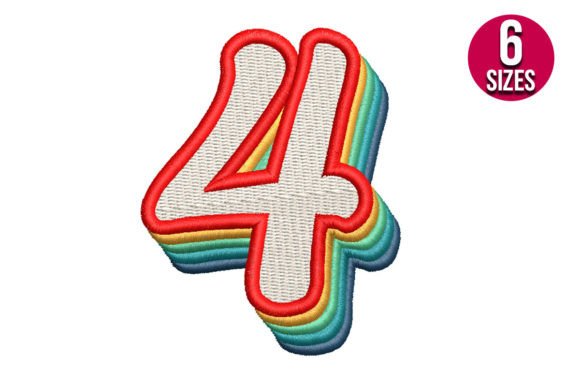
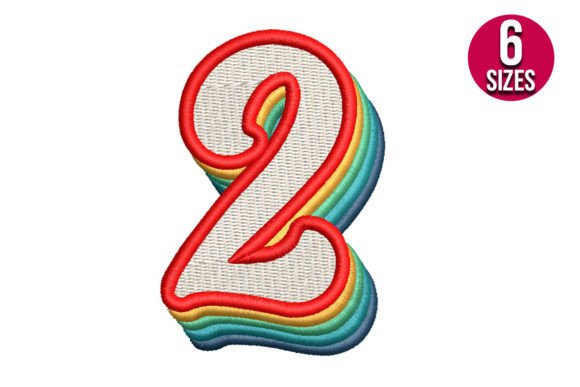
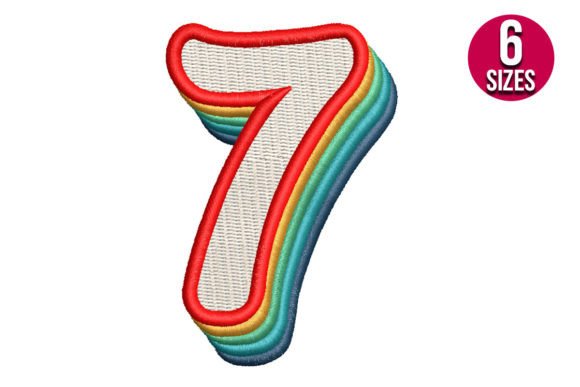
The Retro Number Seven brings a distinct visual personality to the table. From the moment you view the preview, the design exudes a playful yet classic vibe. It is not overly ornate, which is often a relief; many "retro" designs tend to get cluttered with unnecessary flourishes that can look messy when stitched out on fabric. Instead, this design feels balanced, offering a decorative strength that works well without overwhelming the wearer.
The aesthetic leans toward a vintage-inspired look that fits perfectly with current trends in casual wear. It feels premium enough for a higher-end boutique but casual enough for everyday streetwear. The clean lines suggest that it would translate beautifully onto various textures, from soft fleece to sturdy denim. For designers planning a collection around birthdays or celebratory themes, this design offers a versatile foundation. It is cute, bold, and has a timeless quality that avoids looking dated too quickly.
Applying Retro Number Seven to Apparel Projects
One of the first scenarios I imagined while reviewing this file was a small sweatshirt collection. The sweatshirt embroidery market is competitive, so unique design placement is key. Here is how I see this design performing across different garment types:
- Hoodie Chest Placement: The number seven is compact enough to serve as a perfect left-chest accent. On neutral-colored hoodies, such as heather grey or oatmeal, the retro style pops without being aggressive. It adds a touch of personality to a minimalist look.
- Sleeve Accents: For a more trendy approach, placing this design on the sleeve cuff or upper arm area could create a striking detail. It works particularly well on oversized garments where the extra fabric allows the design to breathe.
- Back Designs: If the design has sufficient height, it could work as a standalone back print. However, given its nature as a single digit, it likely serves best as part of a larger composition or a subtle focal point rather than a massive back graphic.
- T-Shirt Embroidery: On cotton tees, this design adds a layer of sophistication that screen printing sometimes lacks. The texture of the thread gives it a tactile quality that customers appreciate in handmade products.
- Denim Jackets: Denim provides a rugged canvas that contrasts nicely with the smooth finish of embroidery. A retro number on the back pocket or shoulder of a denim jacket would fit the "vintage" theme perfectly.
- Tote Bags: For lifestyle product photos, a tote bag featuring this design is highly marketable. It appeals to students, creatives, and anyone looking for a functional accessory with character.
Seasonal and Occasion-Based Uses
While the category is listed under Birthdays, the versatility of this design extends beyond just age-specific gifts. It can be used for lucky number themes, sports jerseys, or even as a monogram-style accent in combined lettering projects. For an Etsy seller, having a design that crosses over from birthday gifts to general fashion accessories increases its value as a commercial embroidery item.
Practical Considerations for Production
Before adding any digital embroidery file to your production queue, there are practical steps every designer must take. While the Retro Number Seven looks promising, execution is everything. Here are some notes based on industry standards:
- Test on Scrap Fabric: Always run a test stitch on the same type of fabric you plan to sell. Fleece behaves differently than jersey knit. Check how the backing shows through and if the stitches pull the fabric too much.
- Stabilizer Choice: Depending on the density of the design, you may need a cut-away stabilizer for stretchy fabrics like hoodie material to prevent distortion over time. A tear-away might suffice for stable cottons.
- Thread Color Contrast: The visual impact relies heavily on thread selection. On dark garments, lighter threads will stand out, but ensure the contrast is high enough to maintain legibility. On pastel hoodies, you might experiment with tonal stitching for a subtle, high-fashion look.
- Hoop Size Verification: Confirm the hoop size requirements before finalizing your layout. Ensuring the design fits comfortably within your standard hooping area saves time during production.
- Stitch Density Inspection: High stitch density can make a garment stiff and uncomfortable, especially on the chest. Review the file to ensure the fill stitches are optimized for comfort.
Areas of Caution
Even great designs have limitations. You should use Retro Number Seven carefully in certain contexts:
- Dense Stitch Areas: Avoid placing dense fills directly over seams or zippers, as this can cause puckering or discomfort.
- Stretchy Fabric: Be mindful of areas that undergo significant stretching, such as the ribbed cuffs of a hoodie. Ensure the design has enough flexibility or is placed on a non-stretch panel.
- Small Chest Placement: If the design is scaled down too much, fine details may get lost. Ensure the minimum size maintains clarity.
- Curved Surfaces: Embroidery on curved surfaces like the brim of a hat or the curve of a shoulder requires advanced technique. Stick to flat panels for the best results.
Impact on Brand Identity and Value
Using a well-designed embroidery file like this one can significantly enhance your brand identity. In the world of boutique brand merchandise, attention to detail signals professionalism. Customers associate high-quality stitching with durability and care, which builds trust and encourages repeat purchases.
For small shop product listings, having professional mockups is essential. A clear image of the Retro Number Seven embroidered on a cozy sweatshirt helps buyers visualize the finished product. This visual consistency across your social media graphics and online store reinforces your brand’s aesthetic. Whether you are targeting the handmade business owner or the creative entrepreneur, having a cohesive library of versatile designs like this one streamlines your workflow and boosts your catalog’s appeal.
Final Thoughts
The Retro Number Seven appears to be a strong addition to any machine embroidery design library. Its retro charm and clean execution make it suitable for a wide range of custom apparel projects. From t-shirt embroidery to hoodie design accents, it offers flexibility that is hard to find. As always, remember to check the specific product details and licensing terms on Creative Fabrica before selling finished goods. By testing thoroughly and choosing complementary thread colors, you can turn this simple digitized piece into a standout item for your customers.