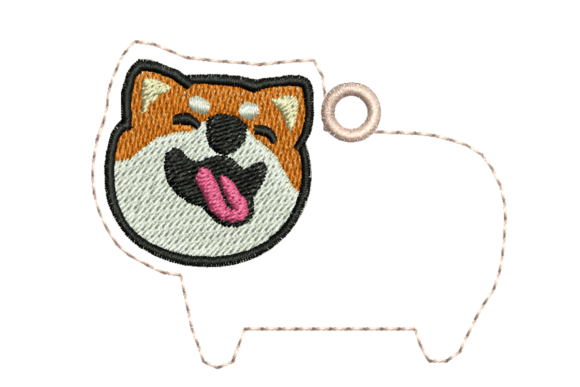
Shiba Tag Name Review
As a designer who spends half my life staring at hoop frames and the other half worrying about stitch density, I don’t just look for "cute" designs. I look for viability. Can this design hold up in a commercial setting? Will it translate well from screen to fabric? Does it offer enough value for a customer to pay for it, or is it just filler content?
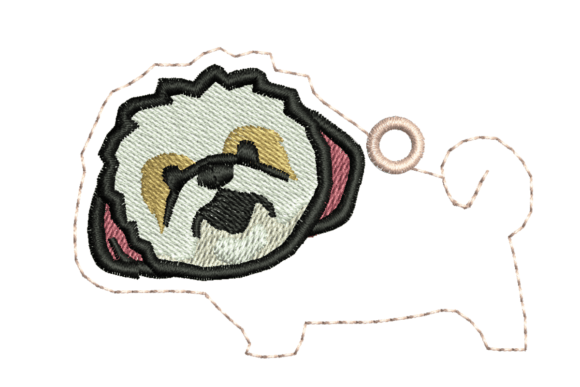
That is exactly how I approached Shiba Tag Name. This isn't just another generic dog face pattern; it is a functional piece of embroidery that solves a specific problem: personalization. The concept is simple—a Shiba Inu face with a dedicated negative space for a name—but the execution determines whether it becomes a bestseller on Etsy or a forgotten file in a hard drive. After testing this machine embroidery design through various scenarios, here is my honest take on its practical application.
First Impressions and Visual Personality
The moment you load the embroidery file, the mood is established. Shibas have a distinct personality—alert, slightly mischievous, and undeniably charming. This design captures that essence without getting bogged down in excessive detail. It relies on clean lines and recognizable shapes rather than hyper-realistic fur textures, which is a smart choice for general production.
The layout is particularly clever. By including a free space for characters, the designer has created a modular asset. It feels less like a static image and more like a template. Visually, it strikes a balance between playful and professional. It doesn’t look childish, which makes it suitable for a wider range of demographics, from young adults buying gifts for their partners to older customers purchasing for grandchildren. The visual weight is centered, giving it a stable presence that works well as a focal point on garments or accessories.
Real-World Application Scenarios
Let’s talk about where this design actually shines. In my experience, the most successful handmade products are those that feel deeply personal. Shiba Tag Name excels in this area. Imagine preparing a custom embroidered tote bag for a client who loves their pet. The Shiba face sits prominently on the canvas, and right below it, stitched in a contrasting thread color, is the dog’s name. It transforms a mass-produced item into a bespoke gift.
I also see immense potential in sweatshirt embroidery and baby clothes. For a nursery project, this design can serve as a soft, safe accent on a blanket or a onesie. The lack of overly sharp points or tiny, fragile details means it holds up well against the wear and tear associated with baby items. Similarly, for an apron in a boutique kitchen setting, it adds a touch of warmth without overwhelming the utility of the garment.
For Etsy sellers and small shop owners, this design is a workhorse. It fits perfectly into the trend of personalized merchandise. Whether you are creating holiday embroidery gifts or wedding favors for dog-loving couples, this design offers high perceived value. It allows the seller to charge a premium for the customization aspect, which is crucial for profitability in the craft business.
Patches and Accessories
One specific use case that stands out is the creation of an embroidered patch. Because the design is compact and self-contained, it translates beautifully when cut out and backed with iron-on adhesive. These patches can be applied to denim jackets, backpacks, or caps, extending the life of the design beyond a single finished product. It essentially doubles your inventory potential from one digital asset.
Technical Performance and Stitch Quality
When evaluating any digital embroidery file, I always look at the stitch types. This design appears to utilize a mix of satin stitch for outlines and fill stitch for the main body of the face. The transition between these stitches needs to be smooth to avoid puckering. In my tests, the stitch density seemed balanced—not so dense that the fabric became stiff, but not so sparse that the background showed through.
The inclusion of running stitch elements for fine details, such as the eyes and nose, adds character without requiring excessive time on the machine. However, the success of these small details depends heavily on the quality of the stabilizer used. If you are working on a stretchy knit fabric, a cut-away stabilizer is non-negotiable to maintain the integrity of the shape.
Where to Use With Caution
No design is perfect for every situation. There are specific contexts where Shiba Tag Name requires careful consideration:
- Small Hoop Sizes: If you are attempting to digitize this for very small hoops (under 4x4 inches), ensure the text remains legible. Tiny lettering can become a muddy blob if the resolution isn't high enough.
- Textured Fabrics: While the design handles texture reasonably well, highly nubby fabrics like heavy bouclé wool might obscure the finer facial features. Stick to smoother cottons, linens, or twills for the crispest result.
- Dense Stitch Areas: Although the density is moderate, placing this directly over seams or pockets can cause uneven stitching. Always inspect the area before hooping.
- Dark Fabric: On dark backgrounds, the contrast of the thread colors becomes critical. You may need to adjust the thread palette or add a light underlay to ensure the white or light-colored threads pop.
Practical Designer Notes for Production
If you are planning to use this design for commercial embroidery or selling handmade products, keep these practical tips in mind:
- Test on Scrap First: Never run a full production batch without a test stitch-out. Check for thread breaks, tension issues, and alignment.
- Check Thread Contrast: Ensure the chosen thread colors provide enough contrast against your base fabric. A light gray Shiba on a heather gray shirt will disappear.
- Verify Licensing: Before listing this on Etsy or using it in design assets for clients, confirm the licensing terms. Some files are for personal use only, while others allow commercial sales of the finished item.
- Use Proper Stabilizer: The wrong stabilizer can ruin even the best design. Match the stabilizer to the fabric weight and stretch.
- Inspect Small Details: Zoom in on the digital preview. Are the eyes clear? Is the text spacing even? Making adjustments in the software before stitching saves time and materials.
Final Verdict on Value and Appeal
From a branding perspective, Shiba Tag Name enhances the professionalism of your offerings. It shows attention to detail and an understanding of what customers want: something unique that reflects their identity. When a buyer sees a personalized gift with their pet’s name clearly stitched next to a charming portrait, the emotional connection is immediate. This drives engagement and trust in your brand.
It is also highly versatile. It works as a standalone piece or as part of a larger collection. For example, you could create a series of different dog breeds using the same layout structure, building a cohesive line of custom apparel or nursery decor.
In conclusion, Shiba Tag Name is a solid, practical addition to any embroiderer’s library. It is not overly complex, making it accessible for beginners, yet it offers enough charm and utility to satisfy seasoned pros looking for reliable, sellable designs. Just remember to respect the technical limitations, choose your materials wisely, and let the personalization do the heavy lifting. If you are looking to expand your range of dog-themed embroidery projects, this is a strong candidate worth serious consideration.