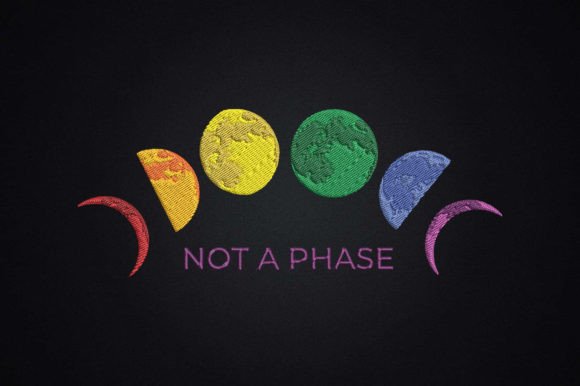
WTF Embroidery Design Review for Craft Fairs
As an experienced embroidery designer who spends weekends hunched over a sewing machine and another weekend setting up booths at local craft fairs, I know that the difference between a design that sits on your shelf and one that sells out by noon comes down to impact. When I first saw the WTF digital embroidery file, my immediate reaction was one of cautious excitement. In the world of handmade goods, humor is a powerful hook, but it is also a risky one if not executed with professional precision. This review breaks down exactly how this design performs as a commercial product, from booth display to final sale.
First Impressions: Boldness Meets Marketability
The title "WTF" is inherently provocative. It stops people in their tracks. At a busy craft fair, where visual noise is high, a design that elicits a laugh or a double-take has immense value. However, the description notes that this is the "perfect way to decorate your beautiful embroidery projects," which suggests a clean, modern execution rather than a chaotic mess. For the savvy Etsy seller or boutique maker, this tension between the edgy acronym and the promise of "beautiful" decoration is where the selling point lies.
It feels modern, funny, and slightly rebellious, yet it remains wearable. It isn’t farmhouse or rustic; it is contemporary streetwear adjacent. This makes it ideal for a demographic that appreciates wit without sacrificing aesthetic quality. The design likely relies on strong typography and clear lines, which translates well to various mediums.
Product Application: Where Does WTF Shine?
Not every embroidery file works on every item. To maximize your return on investment for this machine embroidery design, you need to place it strategically. Here is how I would deploy this design across a typical craft fair inventory:
- Tote Bags: This is the bread and butter of any handmade market. A bold WTF placement on a canvas tote bag creates an instant conversation starter. It works best as a large focal design on the front panel, centered and prominent. The contrast against natural canvas or black cotton will make the thread colors pop.
- Aprons and Tea Towels: For the kitchen enthusiast, this adds a touch of personality to mundane tasks. On a tea towel, the design should be smaller, perhaps placed near the hem or in the corner. On an apron, it serves as a statement piece. Ensure the fabric texture is smooth enough to hold the detail.
- Caps and Hats: Curved surfaces can distort embroidery. If this design features tight lettering, test it on a cap form first. A small embroidered patch version might be safer here, allowing for easier application and less risk of puckering on the curved brim area.
- Patches: Creating a separate embroidered patch version of this design is a smart move. Patches are low-risk, high-margin items. They can be ironed or sewn onto jackets, backpacks, or other DIY projects, expanding the utility of the design assets.
- Pillow Covers and Small Pouches: These items offer a softer touchpoint. A smaller scale application here appeals to buyers looking for home decor accents or gift items. It adds a layer of humor to living spaces without being overwhelming.
Production Practicality and Quality Control
Before listing this as a craft fair product, we must address the technical realities. The description warns that "any alteration on the file s may affect the output." This is a critical note for anyone using digitizing software. Do not stretch, skew, or resize the letters arbitrarily. Doing so will ruin the stitch direction and potentially cause thread breaks or poor coverage.
Stitch Density and Clarity: Acronyms often rely on dense fills or tight satin stitches. You must inspect the stitch density closely. If the density is too high for lightweight fabrics like thin cotton tees, the fabric will pucker excessively. Conversely, if it is too light, the letters may look sparse and cheap. Always run a sample on the actual fabric you intend to sell.
Fabric Texture and Thread Contrast: Textured towels or nubby linens can obscure fine details. If the design includes tiny decorative elements, they may disappear into the weave. Use high-contrast thread colors to ensure legibility. A dark design on a light background usually offers the best readability for bold text.
Hoop Size and Stabilizer: Confirm the required hoop size before starting production. Using the wrong stabilizer—such as tear-away instead of cut-away for stretchy knits—can lead to misalignment. For woven bags and aprons, a standard cut-away or heavy tear-away will provide the necessary support to keep the embroidery file flat and durable through washing.
Selling Strategy and Visual Appeal
From a marketing perspective, this design has high engagement potential. Customers at craft fairs love items that express their personality. A witty phrase like this encourages impulse buys because it feels personal and relatable. It elevates a simple small shop product into a branded experience.
When creating printable mockups for your Etsy listings, showcase the design in lifestyle settings. Show the tote bag being used at a coffee shop, or the apron in a sunny kitchen. This helps the buyer visualize the item in their life. The visual appeal of the finished product should scream "premium handmade quality." Avoid overcrowding the design with other graphics; let the WTF stand alone to maintain its impact.
For Etsy sellers and digital creators, this design can also serve as a versatile asset. It fits well within the broader category of awareness or statement wearables, appealing to those who want to add a bit of edge to their wardrobe. It is a commercial embroidery gem if priced correctly and marketed to the right audience.
Final Designer’s Checklist
Before you commit to mass production for your next weekend market, follow these steps to ensure success:
- Test on Scrap Fabric: Never assume a design will work on a new material. Stitch it out first.
- Check Thread Colors: Ensure the color palette matches your brand and the target product.
- Inspect Stitch Density: Look for gaps or excessive bulk.
- Confirm Commercial Licensing: Verify that you have the right to sell finished goods made from this digital embroidery file.
- Create Mockups: Build at least one real physical sample to photograph for your online store.
In conclusion, the WTF embroidery design is a strong contender for the modern handmade market. It balances humor with style, making it suitable for a wide range of products from tote bag designs to apron embroidery. By paying attention to production details and presenting it with professional flair, you can turn this single design into a bestseller at your next craft fair.