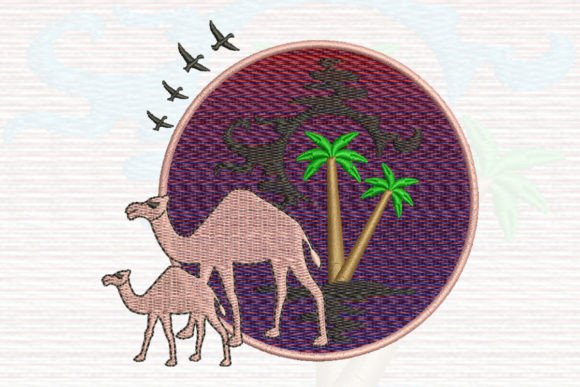
Camel in Desert: A Designer's Review for Craft Fairs
As an experienced embroidery designer who has spent countless weekends setting up booths at local craft fairs and managing a busy handmade shop, I know that the difference between a design that gathers dust and one that sells out lies in its versatility and visual impact. Today, I am reviewing the Camel in Desert machine embroidery design with a critical eye, imagining exactly how it will perform on my table display next Saturday. The description promises a quick and easy way to add personality, but does it deliver the quality needed for a commercial product? Let's dive into what this design brings to the table.
The First Impression: Rustic Charm Meets Modern Appeal
When you first look at the title Camel in Desert, your mind immediately paints a picture of warm sands, golden hues, and a sense of adventure. Based on the description provided, this design feels inherently rustic yet modern. It strikes a balance that is perfect for today's market, which often leans towards farmhouse aesthetics mixed with playful animal motifs. For a booth display, this is crucial. Customers are drawn to designs that tell a story instantly. A camel isn't just an animal; it represents travel, warmth, and the outdoors. This emotional connection is the first step in converting a browser into a buyer.
I imagine this design as a focal point rather than a subtle accent. The concept of a desert scene suggests enough visual interest to hold attention from across the aisle. Whether the style is cute, elegant, or bold, the theme of animals allows it to fit seamlessly into collections ranging from children's clothing to sophisticated home decor. It feels like a premium addition to any handmade collection, promising to elevate simple items into giftable treasures.
Product Potential: Where Camel in Desert Shines
Preparing for a craft fair requires selecting products that showcase the design effectively while remaining practical to produce. Here is how Camel in Desert translates across various high-demand items:
- Tote Bags and Market Bags: This is likely the hero product for this design. A camel motif on a canvas tote bag screams "adventure." It photographs beautifully for online listings and looks substantial on a real-life bag. As a tote bag design, it offers enough surface area to make the details pop without feeling cramped.
- Apron Embroidery: Kitchen enthusiasts love unique patterns. Placing Camel in Desert on a linen apron adds a touch of whimsy to a functional item. It works well as a chest pocket detail or a centered panel, turning a standard kitchen tool into a conversation starter.
- Tea Towel Embroidery: For the home cook, this design adds character to a set of kitchen towels. The desert theme pairs wonderfully with neutral fabrics, making it a great addition to a gift set. It serves as a perfect example of how an embroidery file can transform basic linens into handmade products with high perceived value.
- Embroidered Patches and Caps: If the stitch density is appropriate, this design could work as a detachable patch for denim jackets or backpacks. On a cap, however, curvature becomes a challenge. A smaller version might work best on the front panel, acting as a cool accessory for the outdoor enthusiast.
- Fabric Pouches and Pillow Covers: These small items allow for higher price points per unit. A pillow cover featuring a camel creates a cozy, thematic corner in a living room. Similarly, small pouches make excellent impulse buys at a booth, especially when displayed in a cluster.
Visual Appeal and Customer Engagement
In the fast-paced environment of a craft fair, you have mere seconds to catch a customer's eye. Camel in Desert has strong potential here. The imagery of a desert animal naturally draws attention due to its unique silhouette. When customers see the finished product, they should feel the quality of the stitch density. A well-executed design makes the fabric look luxurious, increasing the perceived value of the item.
For digital sellers and Etsy shop owners, the photography aspect is equally vital. Does the design photograph well? A camel design typically features earth tones (browns, tans, creams) that translate beautifully in photos. It stands out against white backgrounds and looks rich against dark denim or navy blue. When creating a printable mockup for your Etsy listing, ensure the lighting highlights the texture of the stitches. This helps buyers visualize the tactile nature of the finished product.
Consistency is key for brand building. If you plan to sell this as part of a larger collection, Camel in Desert fits perfectly alongside other nature or travel-themed designs. It reinforces a cohesive brand identity that appeals to creative entrepreneurs looking to build a loyal following.
Production Reality: Practical Selling Notes
While the design sounds promising, a professional knows that production realities can make or break a product line. Before committing to a batch run for a weekend fair, several factors must be considered.
Scale and Detail: Is the design suitable for small accents or large focal points? If the camel includes tiny details like facial features or intricate sand dunes, these may get lost if the design is digitized too small. Conversely, if it is too large, it may overwhelm a tea towel or a cap. You must determine the optimal size for each product type to ensure clarity.
Fabric and Texture: The design description mentions adding personality to fabric, but not all fabrics are created equal. Textured towels can sometimes hide fine stitches, while thick denim might require a stabilizer that prevents puckering. Dark fabrics present another challenge; unless the thread colors are light and contrasting, the camel might disappear into the background. Always test on scrap fabric to check thread contrast before mass production.
Hoop Size and Stabilizer: To achieve a professional finish, you need to confirm the correct hoop size for your machine. Using the wrong stabilizer can lead to poor registration or fabric distortion. For items like caps, curved surfaces require specialized hoops and careful tension settings. Ignoring these technical details can result in a commercial embroidery project that looks amateurish.
Essential Designer Checklist
To ensure Camel in Desert succeeds in your hands, follow these practical steps derived from years of industry experience:
- Test on Scrap Fabric: Never go straight to the final product. Run a test on the same material you intend to sell to check for puckering or thread breaks.
- Review Stitch Density: Inspect the design closely. Areas with high stitch counts may need trimming or simplification to prevent bulkiness, especially on thin fabrics.
- Create Real Mockups: Don't rely solely on digital renders. Create at least one physical sample to show customers at your booth. Touch and feel are powerful sales tools.
- Compare Fabric Colors: Test the design on multiple fabric shades to find the most striking combination. A camel on cream looks different than a camel on charcoal.
- Confirm Licensing: Before selling finished goods, verify the commercial licensing terms of the digital embroidery file. Ensure you have the right to use the design assets for resale.
Ultimately, Camel in Desert has the makings of a standout piece for any craft fair or handmade shop. Its thematic appeal, combined with the versatility of embroidery, makes it a strong candidate for small shop products that resonate with buyers. By paying attention to the technical details and focusing on high-quality execution, you can turn this design into a bestseller that captures the spirit of adventure and craftsmanship.