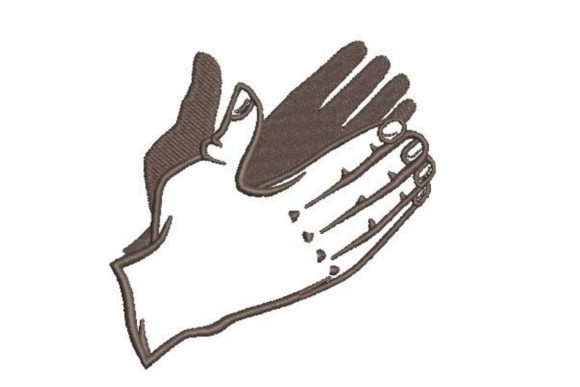
Clapping Hands: A Designer's Review for Boutique Sweatshirts
As an experienced embroidery designer, I spend my days evaluating digital assets to see if they have the potential to become tangible, premium products. Recently, I came across a design titled Clapping Hands. The product description calls it a "very sweet design" that is ready for your next project and promises to add a fresh touch. While these phrases are common in the digital marketplace, my job is to look past the marketing copy and determine how this piece functions as a commercial asset for apparel decoration. Today, I am reviewing this design specifically for a limited sweatshirt drop intended for a small boutique brand.
First Impressions and Design Personality
The title Clapping Hands immediately suggests movement, celebration, and positivity. When I first opened the file to visualize it on fabric, the mood felt undeniably uplifting. In the category of Inspirational designs, this piece stands out because it relies on a universal gesture rather than complex typography. For a boutique brand looking to create a connection with their audience, a design that evokes joy without saying a word is incredibly powerful.
The description mentions a "fresh touch," which leads me to believe the layout is likely clean and uncluttered. In my experience, designs labeled as "sweet" often lean towards a playful or feminine aesthetic. This makes Clapping Hands an excellent candidate for lifestyle product photography. Imagine a model wearing an oversized hoodie, laughing while clapping; the embroidery would mirror that energy perfectly. It feels less like a rigid corporate logo and more like a decorative element that adds character to a casual garment.
Fabric and Color Strategy for Sweatshirts
When planning a collection for a small online shop, the choice of fabric is just as critical as the design itself. I envision Clapping Hands performing beautifully on neutral sweatshirts. On a heather grey or oatmeal-colored fleece, the design would pop without being overwhelming, maintaining that cozy seasonal appeal that customers crave during colder months.
However, we must consider contrast carefully. If you are targeting dark fabric options, such as navy, black, or deep charcoal, the thread colors used in the digitization will be the deciding factor. A standard white thread might look too stark against black, whereas a metallic or pastel thread could elevate the look from basic to boutique. For pastel colored hoodies, this design could blend seamlessly, creating a subtle, textured finish that feels high-end rather than mass-produced.
I also want to highlight the versatility of this design for different garment cuts. While chest placement is the most common approach for a sweatshirt embroidery project, the "clapping" motion might lend itself well to sleeve accents. Placing the hands near the cuff could add a delightful surprise element when the wearer moves their arms. Alternatively, for a bold statement piece, scaling it up for the back of an oversized hoodie could turn the garment into a wearable piece of art.
Technical Considerations for Production
Beyond aesthetics, there are practical concerns that every Etsy seller and custom apparel decorator must address before hitting the print button. The success of a finished product often hinges on stitch density and stabilizer choice. Since this design is intended for sweatshirts, which are thicker than t-shirts, the stability of the stitches is paramount. You will need a robust stabilizer to prevent the fabric from puckering around the hand gestures.
I also recommend paying close attention to the hoop size required for this specific embroidery file. If the design is too large for a standard 4x4 hoop but requires a larger frame, production costs may rise. Conversely, if the details are too small, the clapping hands might lose definition when stitched on heavy cotton blends. The description notes that the design comes with multiple formats, which is a huge plus for workflow efficiency, but you must verify that the file resolution matches your machine capabilities.
Washing durability is another key factor. Commercial embroidery needs to withstand repeated laundering without losing its shape. The thread colors should be colorfast, and the stitch pattern should be tight enough to resist snagging on the fuzzy texture of the sweatshirt material. If the design feels too sparse, it might not hold up well over time, potentially affecting buyer trust and brand reputation.
Brand Identity and Market Value
For a handmade business owner or a creative entrepreneur, every design element contributes to the overall brand identity. Clapping Hands has the potential to increase product value by signaling quality and attention to detail. A well-executed embroidery design transforms a generic blank sweatshirt into a unique item that customers are willing to pay a premium for.
This design fits perfectly into the narrative of a boutique brand that values community and positivity. It serves as a visual recognition tool that can strengthen customer engagement. When a buyer sees the clapping hands motif on social media or in a mockup preview, they instantly associate the brand with happiness and support. This emotional connection is what drives sales for small shop products.
Furthermore, the "fresh touch" mentioned in the product description aligns well with current trends in custom apparel. Consumers are moving away from loud, graphic prints and towards subtle, textural embellishments. An embroidered design like this offers a tactile experience that a screen print cannot match. It invites the customer to touch the garment, enhancing the perceived quality of the handmade product.
Practical Steps for Implementation
To ensure this design delivers the best results, here are a few actionable steps for integrating it into your workflow:
- Test on Fabric Swatches: Before committing to a full run, stitch Clapping Hands on various fabric types to check thread contrast and fabric texture interaction.
- Review File Formats: Ensure you have the correct files for your specific embroidery machine. Check the product details for compatibility with popular formats.
- Create Mockups: Use printable mockup tools to visualize the design on different sweatshirt colors. This helps in creating compelling Etsy listings and marketing materials.
- Check Stitch Density: Verify that the stitch count is appropriate for the fabric weight. Too much density can make the sweatshirt stiff, while too little can cause gaps in the stitching.
It is important to remember that while the description promises a design ready for your project, you must confirm specific technical details like license terms and exact hoop sizes before starting commercial production. Always test the design to ensure it meets your quality standards.
Final Thoughts on Clapping Hands
In conclusion, Clapping Hands appears to be a versatile and emotionally resonant design asset. Its sweet and playful nature makes it suitable for a wide range of applications, from casual wear to branded merchandise. Whether you are a digital seller looking to expand your catalog or a physical boutique preparing a new collection, this design offers a solid foundation for creating memorable apparel.
By focusing on proper technique, thoughtful color selection, and strategic placement, you can transform this simple concept into a standout piece of commercial embroidery. It has the potential to become a signature element for your brand, helping you build trust and loyalty among your customers. As you move forward with your next project, keep in mind that the devil is in the details—ensure your stabilizer choices and thread colors complement the design to achieve that truly premium finish.