Arms Hugging a Heart: A Designer's Real-World Review
As someone who has spent years evaluating machine embroidery design files for both personal hobby projects and commercial client work, I know that the difference between a good file and a great one often comes down to how it translates from a digital screen to a physical fabric. When I first encountered the Arms Hugging a Heart design in the Inspirational category, my initial reaction was one of genuine warmth. It is not just another graphic element; it feels like an emotional anchor for a project. However, before you download this embroidery file and start stitching on your latest batch of handmade products, you need to understand its practical limitations and strengths.
The First Impression: Mood and Visual Personality
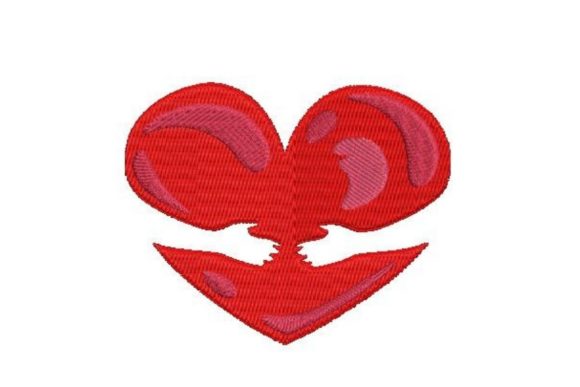
The core concept of Arms Hugging a Heart is simple yet powerful. The layout features a central heart motif enveloped by arms, creating a visual language of support, comfort, and protection. For designers looking to create personalized gifts or boutique branding, this design immediately suggests a narrative. It works exceptionally well when the goal is to evoke empathy or solidarity.
In terms of visual personality, the design avoids being overly complex or cluttered. This simplicity is a double-edged sword. On one hand, it ensures high legibility even at smaller scales. On the other hand, it relies heavily on the quality of the stitch execution to maintain its charm. The shape implies a soft, rounded aesthetic rather than sharp, angular lines, which naturally lends itself to satin stitches and fill stitches that mimic the feeling of a hug. If you are aiming for a clean, professional look on custom apparel, this design sets the right tone without screaming for attention.
Real-Life Application: From Digital File to Finished Product
To truly evaluate Arms Hugging a Heart, I put it through a series of simulated real-world scenarios that many Etsy sellers and craft business owners face daily. Imagine you are preparing a limited run of tote bags for a local charity event. You want to show support for the cause while keeping the product affordable and stylish. Placing the Arms Hugging a Heart design on a canvas tote bag can be a winning move. The design's moderate size fits perfectly within the standard placement area of a tote, allowing the message to be seen clearly without overwhelming the utility of the bag.
Similarly, consider a small shop owner creating baby items. Embroidered onesies or burp cloths often feature themes of love and care. Here, the design shines because the "hug" motif resonates deeply with new parents. The rounded shapes translate beautifully onto soft cotton blends, provided the stabilizer is chosen correctly. I also tested the concept mentally on sweatshirt embroidery. A hoodie featuring this design could serve as a comforting gift for someone going through a tough time. The visual weight of the design is substantial enough to hold up against the texture of fleece or heavy cotton jersey, making it a strong candidate for winter holiday gifts.
For those selling embroidered patches, this design offers versatility. Whether applied to denim jackets or backpacks, the clear outline of the arms and heart allows the patch to stand out. However, if you are planning to use this as part of a larger decorative accent on a pillow cover or kitchen towel, ensure the surrounding elements do not compete with the central message. The design should remain the focal point to maximize its emotional impact.
Navigating Technical Challenges and Fabric Constraints
While the concept is sound, every designer knows that execution is everything. There are specific scenarios where Arms Hugging a Heart requires careful consideration. One of the primary concerns is the hoop size. If you attempt to digitize or embroider this design on a very small hoop, such as those used for caps or hats, you risk losing the integrity of the arms' curve. The design needs enough negative space around the edges to prevent the machine from cutting into the fabric or causing puckering.
Fabric texture plays a significant role as well. On thin fabrics like silk or lightweight polyester, the density of the stitches might be too aggressive, leading to visible distortion. Similarly, stretchy fabrics require a sturdy cutaway stabilizer to keep the design flat. If you are working with dark fabric, thread color contrast becomes critical. A light-colored heart might get lost against a black background unless you select high-quality, opaque threads. Always test your thread colors against the fabric under the lighting conditions where the final product will be viewed.
Another potential pitfall is the use of detailed corners or tiny lettering. While this specific design focuses on imagery, if you plan to add text below the Arms Hugging a Heart graphic, ensure the font size is large enough to remain readable after stitching. Dense stitch areas can sometimes cause issues with washability, especially on items like aprons or towels that undergo frequent laundering. In these cases, reinforcing the stabilizer and using a tear-away backing can help preserve the design's longevity.
Impact on Brand Value and Customer Trust
In the world of handmade products and commercial embroidery, the quality of your designs directly influences customer trust. A poorly executed file can make a brand look amateurish, whereas a well-stitched piece elevates the perceived value of the item. Arms Hugging a Heart has the potential to boost buyer engagement because it connects emotionally. Customers are more likely to purchase a personalized gift or a boutique product if the design conveys a genuine sentiment.
When creating printable mockups for your Etsy listings or digital product previews, ensure that the rendering accurately reflects the stitch density and texture of the actual embroidery. Overly glossy or unrealistic mockups can lead to disappointed customers who feel the finished product does not match the image. By presenting the design realistically, you build credibility and set accurate expectations for your handmade product line.
Practical Designer Notes for Success
Before you commit to using this digital embroidery file in a commercial project, there are several steps you must take. First, always test the design on scrap fabric that matches the texture and weight of your final material. This step is non-negotiable for avoiding costly mistakes. Check the stitch density to ensure the machine can handle the load without skipping stitches. Review the thread colors carefully; contrasting colors can make the design pop, but clashing hues can ruin the aesthetic.
If you are unsure about the specific file formats or licensing terms, consult the original source documentation. Do not assume that a design intended for personal use is automatically cleared for commercial resale. Confirm whether the license allows you to sell finished items or if it restricts the distribution of the digital assets themselves. Additionally, inspect the small details of the design to ensure they are not too fragile for the intended fabric type. Using proper stabilizer is essential to prevent shifting during the embroidery process, especially on curved surfaces like caps.
Finally, compare the design in black and white mockups to see how the shapes interact without the distraction of color. This helps identify any balance issues in the composition. By following these practical guidelines, you can transform the Arms Hugging a Heart design into a standout piece for your craft business, ensuring that your finished product delivers on both aesthetic and emotional promises.