Cut Work Border Review: A Designer's Real-World Take
When I first opened the Cut Work Border file, my initial reaction wasn't about stitch counts or hoop sizes. It was about the mood it set. There is a distinct elegance to this design that immediately signals "handmade quality" without screaming for attention. As someone who has spent years reviewing machine embroidery designs for everything from boutique apparel to home decor, I know that finding a border that balances intricate detail with practical stitching requirements is a rare find. This isn't just another generic pattern; it feels like a piece of jewelry stitched directly onto fabric.
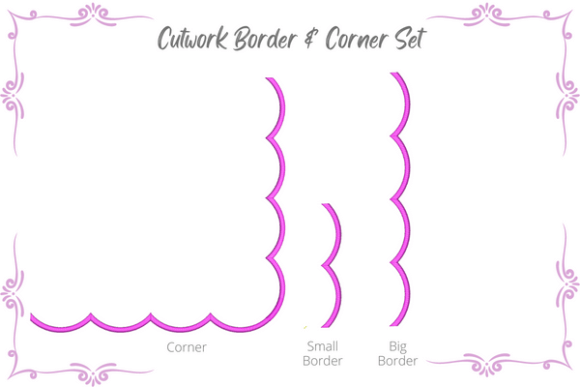
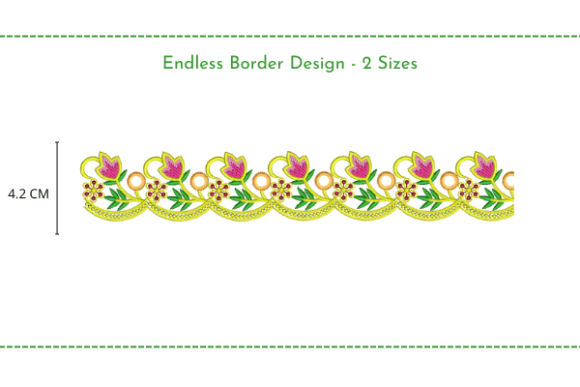
The concept of cut work in embroidery is inherently dramatic. It relies on negative space and precise satin stitches to create an illusion of lace or openwork. When applied correctly, the Cut Work Border transforms a plain garment or textile into a statement piece. The visual personality here is sophisticated yet versatile enough to fit into various aesthetic niches, from rustic farmhouse chic to modern minimalist fashion. Before I even loaded the design into my machine, I could already see how this would elevate a simple cotton tablecloth or a basic linen tote bag.
A Real-Life Scenario: The Boutique Apron Project
To truly understand the potential of this design, let's imagine a real-world scenario. Suppose you are an Etsy seller preparing a batch of custom embroidered aprons for a local holiday market. You have high-quality canvas aprons, but they feel a bit too utilitarian. They need something to make them stand out as premium gifts for home cooks or professional chefs.
This is where the Cut Work Border becomes the hero. Imagine placing this border along the hemline of the apron or framing the pocket area. The intricate details of the cut work mimic the delicate lace often found on heirloom linens, instantly adding value to the finished product. When customers pick up these aprons at a craft fair, the texture and depth created by the embroidery catch the light differently than flat prints. It tells a story of craftsmanship. I can almost hear a customer asking, "Did you stitch this yourself?" That question alone validates the hours of work put into creating a handmade product.
However, the transition from digital file to physical reality requires careful planning. If you are designing for a small business, you know that consistency is key. The Cut Work Border offers a level of uniformity that hand-stitching simply cannot match, ensuring that every apron sold looks identical and professional. This reliability builds trust with your buyers and strengthens your brand identity.
Performance on Different Fabrics and Garments
In my experience testing embroidery files, not all designs perform well on every surface. The Cut Work Border shines brightest on stable, woven fabrics. Think of sturdy cottons, linens, denim, and upholstery-weight materials used for cushion covers or bedsheets. On these surfaces, the satin stitches lay flat, and the cut-out sections (if executed via true cut work techniques) remain crisp without fraying excessively.
For custom apparel like sweatshirts or t-shirts, this design adds a touch of luxury that usually requires expensive screen printing to achieve. However, when working with stretchy knits, you must be cautious. The density of the border can sometimes restrict the natural give of the fabric if the stabilizer isn't chosen correctly. I recommend using a cut-away stabilizer for knit garments to prevent the embroidery from puckering after washing.
The design also translates beautifully to home decor items. A tea towel adorned with this border becomes a functional art piece. Similarly, applying it to pillow covers can transform a standard throw pillow into a centerpiece for a living room. The versatility extends to holiday embroidery projects as well; imagine a festive border on a Christmas stocking or a Valentine's Day heart-shaped cushion.
Navigating Challenges: Where to Be Careful
While the Cut Work Border is fantastic, it is not a one-size-fits-all solution. There are specific scenarios where this design might struggle. First, consider small hoop sizes. If your design includes extremely fine details that rely on tight spacing, shrinking it down for a hat patch or a tiny baby bib might result in lost definition. The threads may crowd each other, blurring the intended openwork effect.
Textured fabrics pose another challenge. While the design looks great on smooth surfaces, heavy textures like chunky wool or bouclé can obscure the finer points of the border. The uneven surface makes it difficult for the needle to penetrate consistently, potentially leading to skipped stitches or misalignment. Additionally, thin fabrics like silk chiffon require a very light touch and excellent stabilizing techniques. Without proper support, the tension of the satin stitch could distort the fabric, ruining the drape of the garment.
Dense stitch areas are another consideration. If you plan to use this border on a dark fabric, thread color contrast becomes critical. Light threads will pop against the dark background, emphasizing the cut work, while dark-on-dark combinations might hide the intricate details entirely. Always test your thread colors on scrap fabric before committing to the final project.
Impact on Visual Appeal and Product Value
The choice of an embroidery design directly influences the perceived value of your finished item. A well-executed Cut Work Border elevates a $10 plain tote bag to a $40 boutique accessory. Customers are willing to pay more for items that look professionally finished and unique. The complexity of the design suggests time and skill, which are highly valued traits in the craft business.
Furthermore, the design aids in brand consistency. If you sell a line of products, using a signature border style helps customers recognize your work immediately. Whether it's on a personalized gift or a commercial product, the cohesive look reinforces your reputation as a serious designer. In the world of Etsy sellers and digital product sellers, having a library of high-quality design assets like this allows you to scale your offerings without sacrificing quality.
Practical Designer Notes for Success
Before you start stitching, there are several technical steps you must take to ensure success. First and foremost, always test the design on scrap fabric. This is non-negotiable. Check the stitch density to ensure the machine isn't overworking the material. Review the layout to confirm that the hoop size accommodates the full width of the border without cutting off important elements.
If you are unsure about the file formats included, check the product description carefully. Most professional digital embroidery files come in multiple formats compatible with different machines, but verifying compatibility is essential. Inspect the small details closely; sometimes, what looks good on a screen can become cluttered when stitched. Testing the design in black and white mockups can help you visualize the contrast and structure without the distraction of color.
Don't forget to consider the end-use of the product. If the item will undergo frequent washing, such as kitchen towels or baby clothes, ensure the stabilizer is washable and the stitches are secure. For commercial embroidery projects, double-check your licensing terms. Some designs allow for unlimited sales, while others restrict the number of units you can produce. Confirming these details protects your business and ensures you are selling legally.
Finally, compare how the design performs on both light and dark backgrounds. The Cut Work Border is designed to play with light and shadow, so its appearance will shift depending on the base fabric. By understanding these nuances, you can curate collections that showcase the design at its best. Whether you are creating a single embroidered patch for a jacket or a full collection of home decor items, this border offers a blend of artistry and functionality that is hard to beat.
Ultimately, the decision to use the Cut Work Border comes down to your vision and your technical preparation. It is a tool that, when wielded with care, can turn ordinary textiles into extraordinary treasures. For designers, makers, and entrepreneurs looking to add a touch of refined elegance to their portfolio, this design is a worthy addition to any embroidery project list.