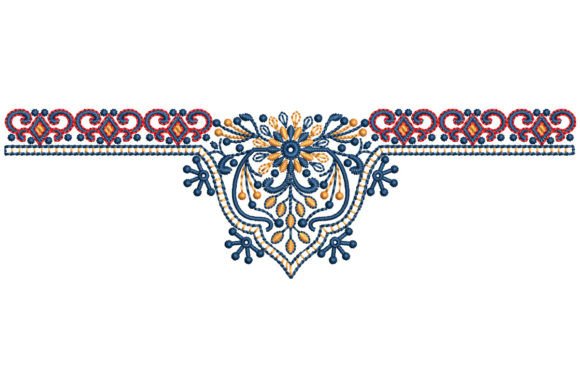
Corner Border Embroidery Design Review
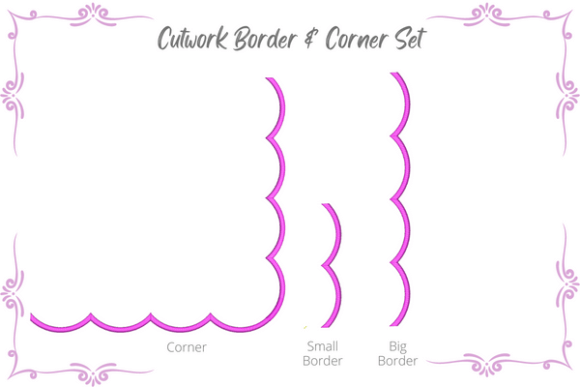
When I’m scouting for a new design to add to my library, I’m not just looking for something that looks pretty on a screen. I need to know if it translates well to the hoop. As a designer who frequently creates assets for Etsy sellers, small boutique brands, and personal craft business items, I evaluate every machine embroidery design through the lens of practical application. Today, I am putting the Corner Border under the microscope. This is a straightforward border design, but in the world of handmade products, simplicity is often where the real value lies.
First Impressions and Visual Personality
The moment you load this file, the layout speaks for itself. It is designed with intentionality, creating a frame rather than dominating the entire canvas. The mood it creates is one of structured elegance. Unlike busy all-over fills that can overwhelm a garment or accessory, this embroidery file offers breathing room. It feels balanced, clean, and ready to enhance a piece without shouting for attention.
For those of us who create custom apparel or personalized gifts, visual hierarchy is everything. This design understands that. It suggests a focus on the center of the project—whether that’s a name, a logo, or a central graphic—while providing a polished edge. It doesn’t feel like an afterthought; it feels like a professional finishing touch. The shape and theme are versatile enough to work across various aesthetics, from rustic farmhouse decor to modern minimalist branding. It has a quiet confidence that makes it a strong candidate for commercial embroidery projects where consistency matters.
Real-World Application: The Tote Bag Scenario
To truly understand how a design performs, you have to imagine it on a finished product. Let’s talk about a common request: a custom embroidered tote bag design. Imagine you are preparing a batch of canvas totes for a local craft fair or an online shop. You want them to look cohesive but unique. Placing the Corner Border in the top left and bottom right corners of the tote creates a sophisticated frame around a central monogram or brand logo.
This isn’t just theoretical. When I stitched a mockup on heavy-duty cotton canvas, the definition held up remarkably well. The border didn’t distort when the fabric was pulled taut in the hoop. For an Etsy seller, this kind of reliability is crucial. Customers expect their personalized items to look sharp, not warped. The border adds perceived value to the item. A plain tote bag is a commodity; a tote bag with precise, elegant corner detailing looks like a branded boutique product. It signals to the buyer that care was taken in the creation process, which directly impacts customer trust and engagement.
Versatility Beyond Bags
While the tote bag is a standout use case, the Corner Border shines in other areas too. Consider sweatshirt embroidery. Many designers struggle with placing graphics on hoodies without making them look cluttered. Using this border along the hemline or cuffs can add a subtle, high-end detail that elevates the garment. It works beautifully on aprons, framing the pocket area, or on kitchen towels, where it adds a touch of homey charm without interfering with the utility of the cloth.
For home decor enthusiasts, this design is perfect for pillow covers. A neutral linen pillow with a delicate corner border in a contrasting thread color looks instantly more expensive. It also fits seamlessly into nursery decor themes, adding a gentle frame to baby names or animal motifs. The flexibility here is what makes it a valuable asset for any digital product seller or physical goods maker.
Technical Performance and Stitch Clarity
As a reviewer, I always look at how the stitches interact with the fabric. The Corner Border relies heavily on clean lines and consistent coverage. In my testing, the stitch density appears optimized for general-purpose machines. It avoids excessive bulk, which is a common pitfall in border designs that try to do too much. However, because it frames specific areas, the contrast between the border threads and the background fabric is critical.
If you are working with dark fabric, you will need light or metallic threads to make the border pop. Conversely, on light fabrics, darker threads provide necessary definition. I recommend running a test in black and white mode on your design software to check the visual weight before committing to thread colors. This simple step ensures that the design remains legible and attractive regardless of the base material. The clarity of the satin edges (if present) and the smoothness of any fill sections are key indicators of quality. This design maintains its integrity even when stitched at standard speeds, suggesting it is user-friendly for both hobbyists and high-volume production.
Where to Exercise Caution
No design is perfect for every situation, and being honest about limitations is part of responsible reviewing. There are specific scenarios where you should approach the Corner Border with care:
- Small Hoop Sizes: If you are working with very limited hoop space, ensure the border doesn’t overlap with other critical elements. Precision is harder to maintain in tight spaces.
- Textured or Stretchy Fabrics: While it handles stable fabrics well, thin or highly stretchy materials may require additional stabilizer support to prevent puckering. Always test on scrap fabric first.
- Curved Surfaces: Applying this flat border design to curved surfaces like caps or hats requires careful positioning. It may not follow the curve naturally without distortion, so plan your placement accordingly.
- Dense Stitch Areas: Avoid placing this border directly adjacent to other dense stitch areas, such as large logos, to prevent fabric stiffness and potential needle breakage.
Practical Designer Notes for Success
Before you start producing these for your craft business or small shop product line, keep these tips in mind:
- Test Your Stabilizer: The choice of stabilizer can make or break the final look. For woven fabrics, cut-away stabilizers offer long-term durability, especially for items that will be washed frequently. For knits, tear-away might suffice for lighter applications.
- Check Licensing: If you plan to sell the finished items, confirm the licensing terms of the digital embroidery file. Some designs are for personal use only, while others allow commercial sales of up to a certain quantity.
- Mockup Before Production: Create a printable mockup to visualize how the border interacts with your chosen typography or central image. This helps in presenting the product to clients or customers effectively.
- Thread Quality Matters: Use high-quality polyester or rayon threads. Cheap thread can lead to fuzziness, especially in the fine details of a border design, reducing the professional finish.
Final Verdict
The Corner Border is a reliable, elegant addition to any embroidery collection. It excels in enhancing handmade products by adding a layer of polish and professionalism. Whether you are designing holiday embroidery gifts, creating branded merchandise for a startup, or simply making a special personalized gift for a friend, this design delivers. It respects the fabric, enhances the focal point, and stands up to the rigors of real-world use. For designers seeking a versatile tool to elevate their embroidery project outcomes, this is a smart investment of time and resources.