Cottagecore Toadstools: A Designer's Review for Small Business Merch
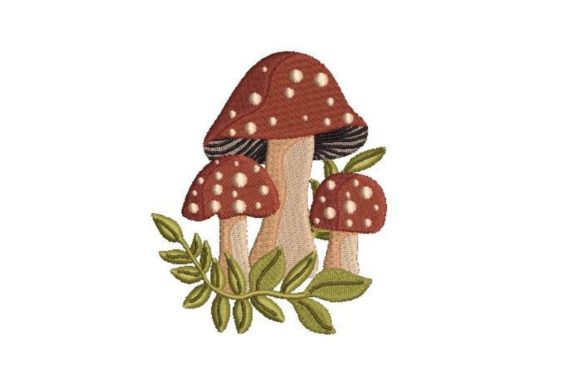
As an experienced embroidery designer who has spent years refining designs for commercial applications, I approach every new file with a critical eye toward production viability and brand impact. Today, I am reviewing the Cottagecore Toadstools design to determine its suitability for small business merchandise, branded patches, and custom apparel. The product description paints a picture of vintage charm, noting that "Toadstools are so adorable, especially if they come in an old, vintage style like these ones." It suggests utility for countryside cabins, but for us, the question is whether this machine embroidery design can hold its own on a bustling shop floor or a busy café uniform.
The aesthetic immediately strikes me as rustic yet professional. The "old, vintage style" implies a hand-drawn quality that resonates deeply with the current market demand for handmade products. For Etsy sellers, boutique owners, and craft business assets, this visual personality offers a distinct advantage. It avoids the sterile look of vector graphics and instead brings a warm, organic feel that customers associate with artisanal value. When considering brand identity, this design leans into the narrative of nature, simplicity, and care—perfect for bakeries, florists, pet brands, and creative studios looking to establish trust through visual consistency.
Real-World Application in Commercial Embroidery
When evaluating how Cottagecore Toadstools performs in real business use, we must look beyond the digital preview. Imagine a local coffee shop wanting to launch staff uniforms. This design could serve as an excellent chest logo accent or a subtle sleeve detail. The vintage aesthetic pairs beautifully with denim aprons or canvas work shirts, reinforcing the idea of a cozy, welcoming environment. For a bakery, placing this motif on a tote bag design creates a cohesive brand experience that customers want to carry around town.
I also see significant potential for embroidered patches. If you are producing merch for events or selling standalone items, this design translates well to patch form. The rounded shapes of the toadstools allow for clean edges when cut out, making them ideal for iron-on or sew-on applications. However, the success of the final product depends heavily on the execution of the embroidery file. If the stitch density is too high, the fabric may pucker; if it is too low, the details might get lost during washing. For a small business merch line, the durability of the finish is paramount.
Consider the scenario of a handmade shop launching a summer collection. Using Cottagecore Toadstools on product packaging accents or as a branded add-on to gift bags can elevate the unboxing experience. It transforms a standard transaction into a memorable moment. Similarly, for cap embroidery, the design offers a charming focal point on the front panel or the side of a trucker hat. The vintage style fits perfectly with the retro trends currently popular in fashion, allowing brands to tap into a specific demographic without feeling dated.
Strategic Considerations and Limitations
While the design is visually appealing, there are specific areas where Cottagecore Toadstools requires careful handling. One of the primary concerns for any digital embroidery file buyer is size scalability. On small patch sizes or tiny lettering, intricate outlines can blur together. If you plan to use this for a 2-inch patch or a small chest logo, you must verify that the fine details remain legible. High stitch density in small areas often leads to thread breaks or a stiff, uncomfortable texture on the garment.
Fabric texture plays a crucial role in the final outcome. The vintage style relies on smooth surfaces to show off the shading and lines. Applying this design to highly textured fabrics, such as heavy waffle knits or loose-weave linens, can obscure the artwork. Additionally, dark uniforms present a challenge. Unless you are using a substantial underlay and high-quality threads, the colors may not pop against black or navy backgrounds. Frequent washing is another factor to consider; designs with complex fills may require extra stabilization to prevent distortion over time.
Curved surfaces, like the front of a baseball cap, demand precise digitizing. If the design was not optimized for curvature, it may appear distorted or stretched when stitched. Before committing to a large run, always test the design on the actual material you intend to use. This step is non-negotiable for maintaining professionalism and ensuring customer satisfaction.
Practical Notes from the Design Studio
To ensure your finished product meets industry standards, follow these practical steps before production. First, create a printable mockup for client approval. Visualizing the design on a white t-shirt versus a beige tote bag helps clients understand the color contrast and placement. Next, test the design in black and white first. This allows you to assess the structure and balance of the stitches without the distraction of thread colors. If the monochrome version looks weak, the colored version will likely struggle.
Review the thread colors carefully. The vintage style relies on muted tones; using neon or overly bright threads can ruin the intended aesthetic. Inspect the spacing between elements to ensure there is enough room for stabilizer penetration. Confirm the hoop size requirements with your digitizer or the file provider, as a design meant for a 4x4 hoop may need resizing for larger items like apron embroidery. Always use proper stabilizer to support the fabric, especially if you are working with stretchy materials or lightweight cottons.
Finally, compare this design asset beside other assets in your library. Does it match the quality and style of your existing branding? Consistency is key to building a recognizable brand. Most importantly, confirm the commercial licensing terms before using this in any revenue-generating project. Ensure you have the rights to produce embroidered patches, custom apparel, and promotional items. Without the correct license, even the most beautiful design can lead to legal complications.
In conclusion, Cottagecore Toadstools is a versatile addition to the world of Bouquets and Embroidery for those seeking a rustic, friendly vibe. It holds great promise for small businesses aiming to create a connection with their audience through authentic, handmade aesthetics. By following rigorous testing protocols and understanding the limitations of the medium, you can leverage this design to enhance your brand identity and deliver high-quality goods. Whether used for a cafe's aprons or a boutique's tote bags, this design has the potential to become a beloved staple of your commercial embroidery projects.