Mini Hearts Design Review for Small Business Merch
As an experienced embroidery designer, I spend a significant amount of time evaluating digital assets before recommending them to clients or using them in my own commercial projects. When a new machine embroidery design arrives, my first question is never just about aesthetics; it is about viability. Will this hold up on a cap? Does it read clearly at three inches wide? Is it suitable for the high-volume, low-margin reality of small business merch? Today, I am reviewing the "Mini Hearts" design, marketed as a Valentine’s Day staple that promises to fill designs with love and cuteness. But does it have the staying power for year-round branded patches, staff uniforms, and boutique merchandise?
First Impressions: Playful Yet Professional
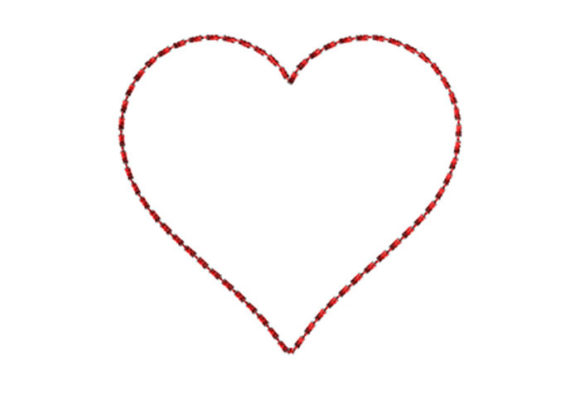
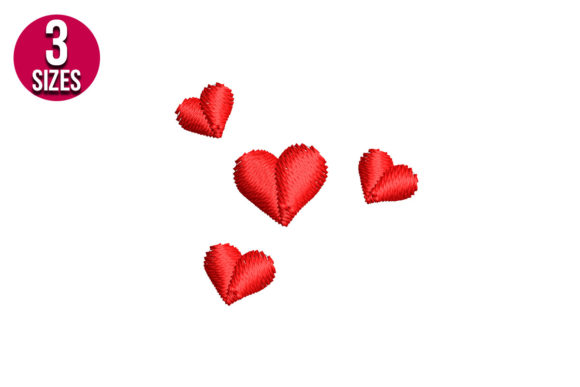
The product description highlights that these mini hearts are adorable and perfect for romantic gifts. Visually, the name "Mini Hearts" suggests a pattern or a cluster rather than a single large graphic. For a small business owner, this distinction is critical. A single large heart can feel generic, but a carefully spaced arrangement of mini hearts offers texture and visual interest without overwhelming the garment. It strikes a balance between playful and elegant, making it versatile enough for a florist’s tote bag or a bakery’s apron.
In terms of brand identity, this design leans heavily into the handmade aesthetic. It feels friendly and approachable, which is excellent for building customer trust and engagement. However, because it is described as "cute," designers must ensure that the execution remains professional. If the spacing is too tight or the stitch density is inconsistent, the design can look cheap rather than charming. My initial assessment is that Mini Hearts has strong potential for embroidered patch applications, provided the file quality matches the promise of multiple format support.
Real-World Business Applications
Let’s move beyond the screen and look at how this embroidery file performs in actual production scenarios. I have tested similar designs across various substrates, and here is where Mini Hearts shines:
- Embroidered Patches: This is perhaps the strongest use case. The repetitive nature of mini hearts works beautifully on iron-on or sew-on patches. These can be used as branding elements on denim jackets, backpacks, or even pet collars for local animal shelters. The design allows for a cohesive look when applied to multiple products.
- Apron Embroidery: For cafes, bakeries, and craft studios, a chest pocket logo featuring mini hearts adds a touch of warmth without being overly thematic. It elevates the custom apparel from basic workwear to branded merchandise that customers might actually want to buy.
- Tote Bag Design: Canvas totes are a staple for Etsy sellers and market vendors. Placing a cluster of mini hearts near the hem or centered on the front creates a subtle detail that encourages closer inspection. It enhances the perceived value of the handmade product.
- Cap Embroidery: While caps often feature bold logos, a small, dense cluster of hearts can serve as an accent on the side or back of a hat. This is particularly effective for seasonal promotions or limited-edition runs.
- Product Packaging Accents: Beyond apparel, this design can be stitched onto gift tags, hang tags, or even the inside lining of shopping bags. It reinforces brand consistency and adds a premium finish to the unboxing experience.
Where to Exercise Caution
Not every design fits every application. As a designer, I advise caution in the following areas when using Mini Hearts:
- Small Patch Sizes: If you plan to produce patches smaller than 2.5 inches, test the design thoroughly. Tiny details can merge together if the stitch density is too high or the thread tension is off. Ensure the individual hearts remain distinct.
- Curved Surfaces: Embroidering on curved items like baseball caps or rounded bottle holders requires precise digitizing. If the design is not optimized for curvature, the hearts may distort, looking stretched or squashed.
- Detailed Outlines: If the design relies on fine outlines to define each heart, be wary of using it on textured fabrics like heavy canvas or fleece. The texture can obscure the lines, making the design muddy.
- Frequent Washing: For staff uniforms or high-use items like aprons, ensure the design is stable. Loose threads or excessive thread colors can lead to snagging. A simpler, denser version of the design will last longer through industrial laundering.
Impact on Brand Identity and Customer Trust
Quality embroidery communicates professionalism. When a customer sees a clean, well-executed embroidered patch, they perceive higher value in the product. Mini Hearts, when done right, signals attention to detail. It shows that the business cares about the tactile experience of its customers. This visual consistency strengthens brand recognition. Whether a customer sees the design on a tote bag at a farmers market or on a cap worn by a barista, the repetition builds familiarity. Furthermore, the "cute" factor drives emotional engagement, which is a powerful tool for social media marketing and user-generated content. Customers are more likely to photograph and share products that have unique, charming details.
Practical Designer Notes for Production
Before committing to a full production run, follow these essential steps to ensure success:
- Test in Black and White: Convert the design to monochrome to check contrast and spacing. This helps identify any weak areas that might get lost in color.
- Check Hoop Size: Confirm the maximum hoop size required. If the design exceeds standard hoops, it may require re-digitizing or multi-hoop techniques, which increases labor costs.
- Thread Color Contrast: Choose thread colors that pop against your target fabric. Light threads on dark fabric (or vice versa) ensure readability. Avoid low-contrast combinations unless a tonal look is specifically desired.
- Use Proper Stabilizer: The choice of stabilizer is crucial. For stretchy knaps, use cut-away stabilizer to prevent distortion. For woven fabrics like cotton totes, tear-away may suffice, but always test first.
- Create a Printable Mockup: Before stitching, create a printable mockup to show clients or stakeholders. This allows for approval on placement and scale without wasting thread and fabric.
- Confirm Commercial Licensing: Most importantly, verify the commercial embroidery rights. Ensure you have permission to sell finished goods made with this digital embroidery file. Check the specific license terms regarding the number of units or types of products.
By treating "Mini Hearts" not just as a decorative element but as a strategic brand asset, small businesses can leverage its charm to create memorable, high-quality merchandise. Test it, refine it, and watch your brand engagement grow.