Heart Bean Stitch Review for Embroidery Designers
As an embroidery designer who spends hours tweaking stitch paths and testing tension, I am always on the lookout for design assets that offer both aesthetic charm and technical reliability. When I first encountered the Heart Bean Stitch on Creative Fabrica, it caught my eye not just for its thematic relevance to Valentine’s Day, but for its potential utility in a broader range of commercial projects. This review is based on my experience evaluating this machine embroidery design for real-world application, specifically considering how it performs when translated from a digital file to a physical finished product.
First Impressions and Visual Appeal
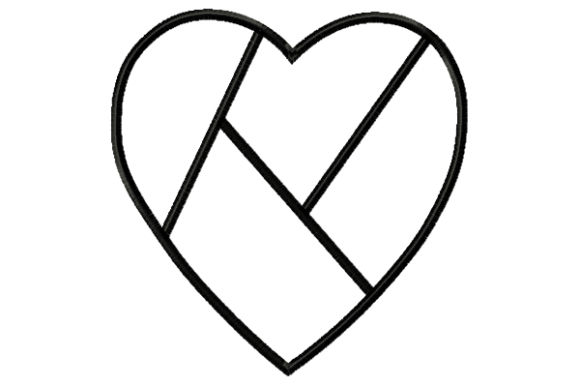
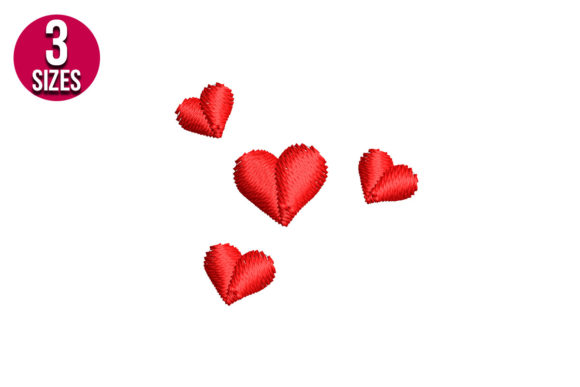
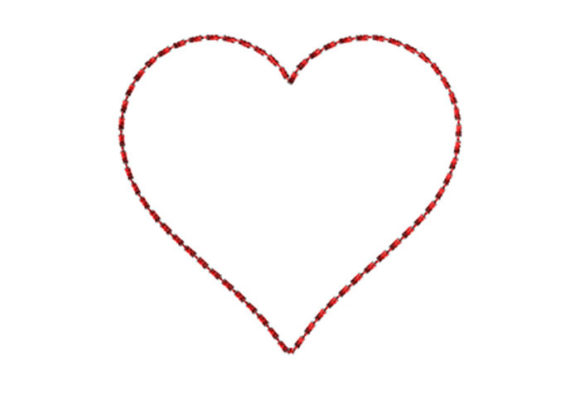
The initial visual impact of the Heart Bean Stitch is one of softness and texture. Unlike traditional satin stitches that can sometimes appear flat or overly glossy, this design leverages the unique characteristics of the bean stitch to create a raised, tactile surface. For designers looking to add depth to their work without relying solely on complex layering, this is a compelling option. The heart shape is classic, yet the stitching technique gives it a modern, handcrafted feel.
What stands out immediately is the inclusion of a color chart. In the world of digital embroidery files, having a suggested palette is invaluable. It helps visualize how the thread colors will interact with different fabric bases before you even load the hoop. The design feels balanced, avoiding the cluttered look that can plague smaller motifs. It has a decorative appeal that works well for seasonal items but also possesses enough neutrality to fit into everyday handmade products.
Performance in Real-World Projects
I evaluated the Heart Bean Stitch with several common project types in mind, focusing on how it holds up under practical conditions. Here is how it performed across various categories:
- Custom Apparel and Sweatshirt Embroidery: The bean stitch creates a nice texture on heavier fabrics like fleece or cotton blends often used for sweatshirts. However, on stretchy knits, care must be taken to ensure the stitch density does not cause puckering. It adds a premium feel to custom apparel, elevating simple tees beyond basic screen prints.
- Tote Bag Design and Aprons: Canvas and denim are forgiving fabrics, allowing the Heart Bean Stitch to shine. The texture contrasts beautifully with the rougher weave of these materials. For tote bags, this design serves as a focal point that draws the eye, making it ideal for gift sets or boutique merchandise.
- Baby Items and Nursery Decor: The soft, rounded nature of the bean stitch makes it suitable for baby blankets and nursery wall art. It lacks the sharp edges of some geometric designs, contributing to a gentle, soothing aesthetic. When paired with pastel threads, it enhances the visual appeal for parents looking for personalized gifts.
- Embroidered Patches and Caps: For patches, the defined outline of the heart combined with the textured fill provides good definition. On curved cap surfaces, the design’s compact nature (depending on the specific digitizing) allows it to sit comfortably without overwhelming the curve. It is important to inspect small details after stitching to ensure no loose threads disrupt the clean finish.
Practical Considerations for Production
While the aesthetic is strong, any professional designer knows that production viability is key. There are several practical aspects to consider when integrating the Heart Bean Stitch into your workflow.
Hoop Size and Stitch Density
Before committing to a large run, you must confirm the hoop size requirements listed in the product details. Designs that rely heavily on fill stitches can become dense quickly. If the Heart Bean Stitch has a high stitch count relative to its physical size, it may take longer to embroider, impacting your hourly rate. Always check the stitch density to ensure your machine can handle the thread load without breaking needles or causing thread jams.
Fabric and Stabilizer Compatibility
The choice of stabilizer is critical. For lightweight fabrics like kitchen towels or thin cottons, a cut-away stabilizer is often necessary to prevent distortion. For sturdier materials like aprons, a tear-away might suffice, but testing on scrap fabric is non-negotiable. Additionally, if you plan to use this on dark fabric, ensure the thread colors provide sufficient contrast. The included color chart is a helpful guide, but actual lighting conditions in your studio may alter perception.
Washability and Durability
For items destined for frequent washing, such as baby blankets or dish towels, the security of the stitch is paramount. Bean stitches generally hold up well, but checking the underlay stitches is essential. If the underlay is weak, the top stitches may shift over time, ruining the polished look of the finished product. This affects buyer trust significantly; customers expect handmade goods to maintain their appearance after laundering.
Impact on Product Value and Branding
Using high-quality design assets like the Heart Bean Stitch can elevate your brand presence. In a market saturated with generic clipart-style embroidery, a well-executed design with texture and intentionality signals professionalism. This attention to detail supports higher price points for your handmade products.
Furthermore, the design’s versatility aids in brand consistency. Whether you are creating a line of Valentine’s Day gifts or year-round home decor, a cohesive style helps customers recognize your work. The Heart Bean Stitch, with its blend of traditional motif and modern stitch technique, fits well within a contemporary handmade aesthetic. It also photographs beautifully, which is crucial for online sellers using printable mockups or actual product shots on Etsy and social media platforms.
Final Recommendations for Buyers
If you are considering adding the Heart Bean Stitch to your library of digital embroidery files, here are my final recommendations:
- Test Rigorously: Never assume a design will perform perfectly on all fabrics. Test on scrap pieces of the actual material you intend to sell. Check for thread breaks, tension issues, and overall clarity.
- Verify Licensing: Before selling finished items, carefully review the license terms on the Creative Fabrica product page. Ensure you are permitted to sell physical goods made from the design. This protects your business from legal issues.
- Optimize Thread Choices: Experiment with different thread colors to match various customer preferences. The flexibility offered by the design allows for customization, which is a major selling point for personalized gifts.
- Inspect Small Details: Zoom in on your test samples. Small elements of the heart shape should be crisp and free of fuzziness. If details are lost, consider adjusting your hooping technique or stabilizer choice.
In conclusion, the Heart Bean Stitch is a solid addition for designers seeking to expand their offerings in the realm of decorative embroidery. Its ability to combine classic symbolism with textural interest makes it a versatile tool for everything from seasonal crafts to everyday accessories. By paying close attention to technical details like stitch density and stabilization, you can leverage this design to create high-quality, desirable products that resonate with customers. It is a thoughtful asset for any creative entrepreneur looking to enhance their portfolio of design assets.