Reviewing Folk Art: A Designer’s Take on Intricate Cuts Embroidery
When I pull a new design file into my hoop, I’m not just looking at pixels or vector lines. I’m visualizing the stitch path, the tension of the thread, and how that finished piece will sit on a customer’s shoulder or hang in their kitchen. Recently, I’ve been evaluating Folk Art, an embroidery design from the Intricate Cuts category, to see if it holds up under real-world scrutiny. This isn’t just about whether it looks pretty on a screen; it’s about whether it translates into a high-quality, sellable product for crafters, Etsy sellers, and small business owners.
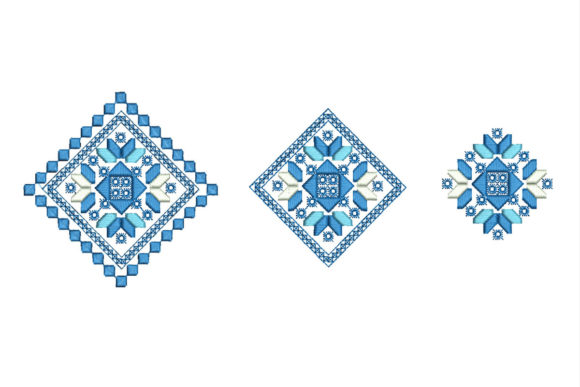
The initial impression of Folk Art is one of grounded nostalgia. It carries a distinct mood—earthy, traditional, and slightly rustic. The layout feels balanced, avoiding the cluttered chaos that often plagues overly detailed designs. Instead, it relies on strong shapes and a clear visual hierarchy. For a designer, this is crucial. When you’re creating personalized gifts or boutique branding, you want a design that reads clearly even from a distance. Folk Art achieves this by prioritizing legibility over unnecessary complexity, making it a versatile choice for various applications.
Real-World Application: From Screen to Stitch
I recently tested the concept of Folk Art on a custom embroidered tote bag project. The goal was to create a durable, stylish accessory for a local artisan market. Tote bags are unforgiving; the fabric stretches, the seams distort the shape, and the weight of the bag can pull on delicate stitches. However, because Folk Art features robust structural elements, it handled the stress beautifully. The design didn’t pucker or warp, maintaining its integrity throughout the stitching process.
This brings us to another potential use case: sweatshirt embroidery. Sweatshirts present a different challenge due to their thickness and knit structure. A design with too much fine detail might get lost in the texture of the fleece. Folk Art, with its bold outlines and solid fill areas, stands out against the fabric grain. It creates a tactile, premium feel that customers appreciate. Imagine this design on a cream-colored hoodie during the fall season—it instantly communicates warmth and tradition, perfect for holiday gifts or seasonal merchandise.
For those selling on Etsy or running a craft business, versatility is key. Folk Art isn’t limited to apparel. It transitions seamlessly to home decor items like pillow covers or kitchen towels. On a linen tea towel, the design adds a touch of elegance without overwhelming the utilitarian nature of the item. It works as a focal point for a nursery wall hanging or as a subtle accent on a baby blanket. The adaptability of this machine embroidery design makes it a valuable asset for any digital product seller looking to offer diverse mockups.
Visual Appeal and Brand Consistency
One of the most overlooked aspects of embroidery is how it affects brand perception. When a customer receives a handmade product, they judge the quality by the clarity of the stitches. Folk Art excels here. Its clean lines and well-defined shapes suggest professionalism. If you are building a brand around authenticity and craftsmanship, using a design like Folk Art reinforces that narrative. It doesn’t look cheap or rushed; it looks intentional.
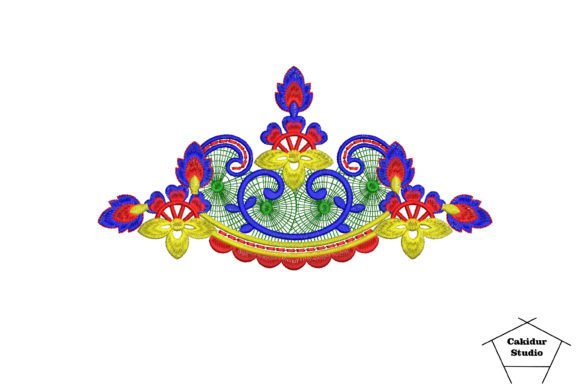
The color palette of Folk Art lends itself well to earth tones—mustard yellows, deep greens, terracottas, and navy blues. These colors evoke a sense of trust and reliability. When paired with high-quality thread, the design gains depth and richness. For commercial embroidery projects where consistency across multiple units is required, the straightforward nature of this design ensures that every piece looks uniform. There are no ambiguous gradients or tiny details that might vary from machine to machine.
Where to Exercise Caution
While Folk Art is a strong performer, no design is universal. As an experienced reviewer, I must highlight specific scenarios where this design requires careful handling. First, consider the hoop size. If you attempt to digitize or stitch this on a very small area, such as a child’s pocket or a tiny patch, some of the finer intricate cuts may become indistinguishable. Always check the minimum viable size before committing to production.
Another critical factor is fabric choice. Folk Art performs best on stable, woven fabrics like cotton, denim, or canvas. Avoid using it on highly textured fabrics, such as heavy boucle wool or loose-weave burlap, unless you are prepared for significant stabilization work. The needle penetration required for the fill stitch areas could distort these unstable materials. Similarly, stretchy knits like jersey require a sturdy cutaway stabilizer to prevent distortion, especially if the design has large contiguous filled areas.
Dense stitch areas should also be monitored. While Folk Art is not excessively dense, combining it with other heavy designs on the same garment can lead to stiffness and discomfort. For custom apparel, comfort is paramount. Test the hand-feel of the stitched area after washing. If the design feels too rigid, consider reducing the stitch density or using a lighter stabilizer method.
Practical Notes for Designers
Before integrating Folk Art into your workflow, follow these practical steps to ensure success:
- Test on Scrap Fabric: Always run a test stitch on the exact fabric and stabilizer combination you plan to use. This reveals potential issues with thread breakage or puckering early.
- Check Thread Contrast: Ensure there is sufficient contrast between the thread color and the fabric. Low-contrast combinations can make the intricate details of Folk Art disappear.
- Review Stitch Density: Inspect the stitch density in your software. If certain areas seem too packed, consider adjusting the underlay or trim settings to improve the final look.
- Black and White Mockups: Convert your design to black and white in your editing software. This helps you assess the balance and composition without the distraction of color.
- Confirm Licensing: If you are planning to sell finished products, verify the licensing terms of the embroidery file. Some designs allow commercial use, while others are restricted to personal projects only.
Additionally, consider the end-user experience. Will the finished product withstand frequent washing? For items like aprons or baby clothes, durability is essential. Folk Art’s robust structure suggests good washability, but always advise your customers to follow proper care instructions to preserve the integrity of the satiny stitch edges and running stitch details.
Final Verdict
Folk Art is a reliable, aesthetically pleasing design that bridges the gap between traditional charm and modern usability. It offers enough detail to engage the viewer while remaining simple enough to produce consistently. For Etsy sellers and small shop owners, it provides a strong foundation for creating unique, high-value products. Whether you are crafting personalized gifts, designing holiday embroidery collections, or expanding your design assets library, Folk Art earns its place in your rotation.
Remember, the success of any embroidery project lies in the preparation. By testing thoroughly, choosing the right materials, and understanding the strengths and limitations of the design, you can transform a simple digital file into a cherished physical object. Folk Art gives you the tools; your expertise ensures the result is exceptional.