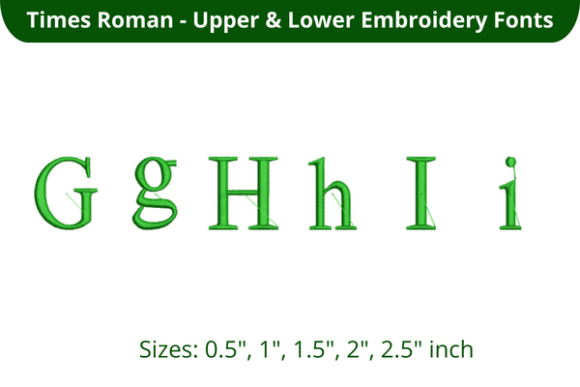
Times Roman Font GHI: A Designer's Holiday Review
As an experienced embroidery designer, I am constantly evaluating digital files to ensure they meet the high standards my clients expect during the busiest seasons of the year. Recently, I examined Times Roman Font GHI, a machine embroidery design intended for personalizing various fabric items. My goal was to determine if this font fits into a cohesive seasonal collection for holiday shoppers, gift bundles, and limited-time product drops. After reviewing its potential application on sweatshirts, tote bags, kitchen towels, and pillow covers, I have formed a clear picture of where this design shines and where caution is required.
The First Impression: Timeless Elegance for Seasonal Projects
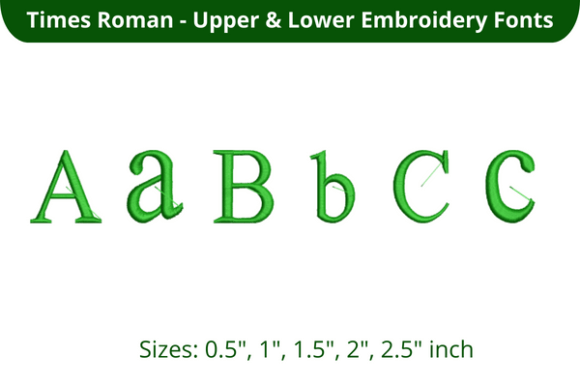
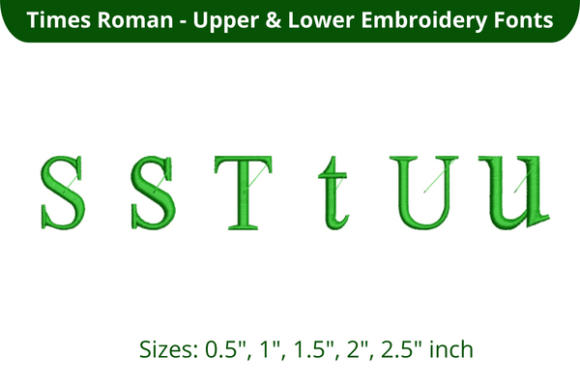
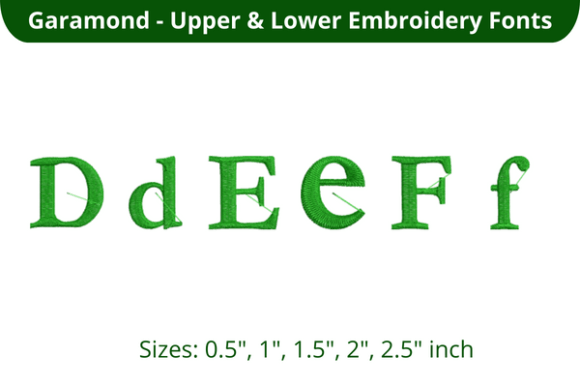
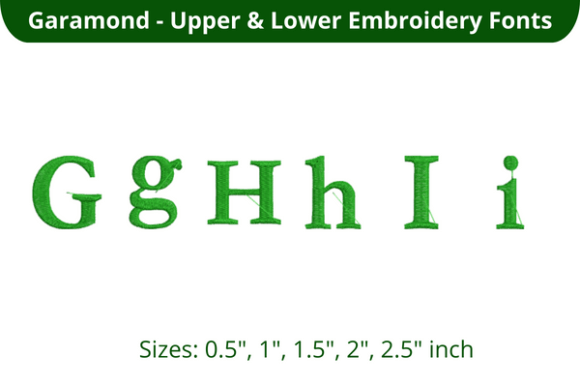
When I first opened the file for Times Roman Font GHI, the immediate feeling was one of classic sophistication. Unlike many decorative fonts that scream "Christmas" or "Halloween," this typeface offers a quiet, understated charm that works beautifully for both festive and everyday use. The emotional tone is nostalgic yet modern, making it versatile enough for elegant home decor or playful personalized gifts. For an Etsy seller looking to create a brand that feels premium and trustworthy, Times Roman Font GHI provides a professional foundation that elevates the perceived value of any finished product.
This font does not rely on heavy ornamentation; instead, it relies on clean lines and legible structure. This makes it ideal for writing names, dates, or short quotes on back-to-school supplies, family matching apparel, or romantic anniversary gifts. The style is neither too rustic nor overly corporate, striking a balance that appeals to a wide demographic. Whether you are designing a cozy apron for a holiday cooking class or a set of embroidered patches for a craft fair, Times Roman Font GHI adds a touch of refined simplicity that customers often seek in handmade goods.
Real-World Application in Holiday Selling
In the context of building a seasonal shop collection, the versatility of Times Roman Font GHI becomes its greatest asset. Imagine creating a series of gift-ready products where the text is the focal point. On a white cotton tote bag design, this font can display a family name with crisp clarity. When applied to a kitchen towel embroidery project, it can render a heartfelt quote like "Gather Together" or a specific date, turning a simple utility item into a cherished keepsake.
For small business owners planning social media previews, the clean lines of Times Roman Font GHI translate exceptionally well into printable mockups. Because the letterforms are distinct, they remain readable even when shrunk down for Instagram thumbnails or Pinterest pins. This visual recognition is crucial for driving engagement during the holiday shopping rush. Furthermore, when used on baby items or pillow covers, the font conveys a sense of care and attention to detail that resonates with parents and gift-givers looking for something special.
I also see significant potential for this design in commercial embroidery scenarios. If you are producing limited edition apparel or family matching sets for a holiday event, Times Roman Font GHI ensures consistency across multiple garments. The uniformity of the lettering helps maintain brand identity, which is essential for establishing trust with repeat customers. It is a font that says, "This was made with intention," rather than just mass-produced.
Where to Exercise Caution
While Times Roman Font GHI is a strong candidate for many projects, there are specific scenarios where an embroiderer must proceed with care. Small hoop sizes present a challenge; if the design is scaled down too much, the fine details of the serif font may become muddy or illegible. Tiny lettering on items like ornaments or small embroidered patches requires a high level of precision that might not hold up well without careful testing.
Fabric texture plays a massive role in the final outcome. Thick towels or stretchy garments like certain sweatshirt materials can distort the stitch density if not stabilized correctly. Dark fabrics pose another hurdle; while Times Roman Font GHI looks great on light backgrounds, the contrast on dark fabric may require additional underlay or a different thread color strategy to ensure the text pops. Metallic thread can add a festive flair, but it can be difficult to feed through standard needles on intricate serif designs, potentially leading to breaks or uneven stitches.
Additionally, items that need repeated washing, such as aprons or table linens, require robust stitching. If the stitch density of Times Roman Font GHI is too low, the edges of the letters may fray over time. Curved caps are another area to watch; the natural curvature of the hat may cause the straight lines of the font to look warped if the digitization does not account for the curve. Always verify the file specifications before committing to a large production run.
Practical Designer Notes for Success
To get the most out of Times Roman Font GHI, I recommend a few practical steps before starting your seasonal production. First, test thread colors on both light and dark fabric samples. You will want to ensure that the chosen thread provides enough contrast against the background material to make the text stand out clearly. Second, check the stitch density settings within your software. High-density areas can sometimes cause puckering, especially on lighter fabrics, so adjusting the density might be necessary for a smooth finish.
Confirming the correct hoop size is critical. Ensure that your design fits comfortably within the hoop dimensions of your machine to avoid clipping or misalignment. Using the proper stabilizer is equally important; for stretchy garments, a cut-away stabilizer is usually best to prevent distortion, while woven fabrics might work well with tear-away options. Creating realistic mockups using Times Roman Font GHI allows you to visualize the final product before cutting any fabric, saving you time and materials.
Review the small details after stitching a sample. Look closely at the serifs and the corners of the letters to ensure they are sharp and defined. Plan matching color palettes that complement the season; for instance, deep reds and greens for winter, or soft pastels for spring. Finally, confirm commercial licensing before selling finished seasonal products. Understanding the terms of the digital embroidery file is vital to avoid legal issues and to ensure you are fully authorized to sell the items you create.
Final Thoughts on Seasonal Appeal
Times Roman Font GHI offers a blend of functionality and aesthetic appeal that is perfect for the modern maker. It supports the creation of personalized gifts that feel intimate and meaningful, which is exactly what buyers are looking for during the holidays. By paying attention to fabric texture, thread colors, and stabilization techniques, you can leverage this font to create high-quality embroidery files that drive sales and customer satisfaction.
Whether you are an Etsy seller expanding your catalog or a small shop owner launching a holiday line, Times Roman Font GHI is a reliable tool in your arsenal. It respects the craft of embroidery while offering the flexibility needed for diverse applications, from tote bags to pillow covers. With careful execution, this design can help you build a collection that stands out in a crowded marketplace, bringing joy to recipients and pride to creators alike.