Times Roman Font STU: A Designer's Review for Personalized Gifts
As an experienced embroidery designer who has spent years refining the art of stitching, I recently had the opportunity to test Times Roman Font STU for a new line of personalized gift products. My goal was simple yet critical: determine if this digital file could stand up to the rigorous demands of a busy gift shop or Etsy store before I committed it to real customer orders. In the world of handmade goods, the font you choose is not just about letters; it is about the emotional connection your finished product creates. After running several tests on various fabrics, from delicate muslin to sturdy canvas, here is my honest review of how Times Roman Font STU performs in the hoop.
The First Impression: Classic Charm and Emotional Appeal
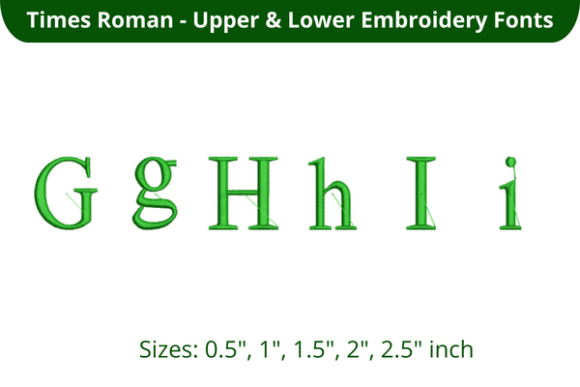
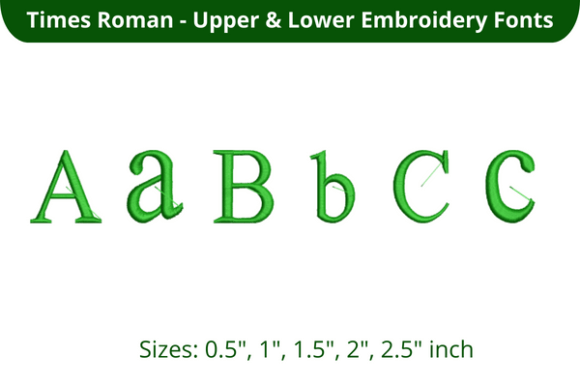
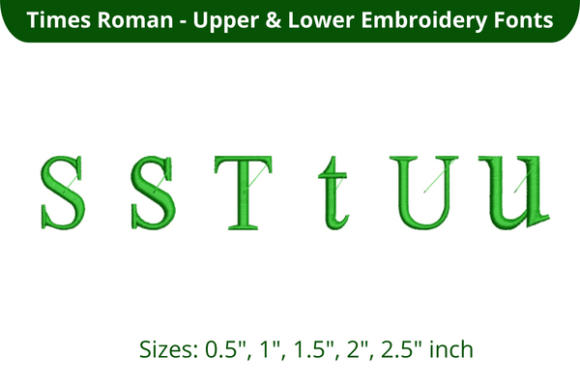
When I first opened the design file, the immediate feeling was one of timeless elegance. Unlike many modern fonts that lean heavily into playful curves or bold geometric shapes, Times Roman Font STU exudes a classic, literary charm. It feels sophisticated yet warm, making it perfect for projects where sentimentality matters most. The letterforms are crisp and well-proportioned, capturing the essence of traditional typography while remaining legible even at smaller sizes.
This font strikes a balance between formal and approachable. It does not feel stiff or overly rigid, which is a common pitfall with serif fonts in machine embroidery. Instead, it feels like a handwritten note written by someone with good penmanship. For a personalized gift, this nuance is vital. Whether you are creating a keepsake for a newborn or a commemorative item for a wedding, Times Roman Font STU adds a layer of perceived value that suggests care and attention to detail.
Real-World Applications: From Baby Blankets to Wedding Keepsakes
I put Times Roman Font STU through its paces by simulating actual product scenarios. The versatility of this embroidery file is impressive, particularly for creators looking to expand their inventory without sacrificing quality.
- Baby Embroidery: Imagine a soft baby blanket embroidered with a child's name and birth date. Times Roman Font STU handles this beautifully. The serifs add a touch of maturity to the design, making it suitable for nursery decor that will grow with the child. It looks wonderful on light-colored cottons, offering a sweet and elegant aesthetic that parents love.
- Wedding Gifts: For custom aprons or kitchen towels intended as wedding gifts, this font shines. It conveys a sense of tradition and permanence. A couple receiving a towel set with their names stitched in Times Roman Font STU would likely appreciate the classic look that fits both modern and vintage home styles.
- Pillow Covers and Tote Bags: When designing pillow covers for a craft fair, the readability of the text is paramount. This font ensures that quotes or names are easy to read from a distance, enhancing the display appeal of your small shop product. Similarly, on tote bags, the clean lines of the letters prevent the design from looking cluttered, even when wrapped around the curved surface of the bag.
Strategic Considerations: Where to Use (and Where to Pause)
While Times Roman Font STU is a high-quality addition to any library, every designer knows that context is everything. There are specific scenarios where caution is required to ensure the integrity of the finished product.
First, consider the scale. While the font is clear, extremely small lettering can sometimes lose definition depending on the stitch density. If you are working on very tiny items, such as a tag on a pair of socks or a small patch on a hat, I recommend testing a reduced size on scrap fabric first. Delicate details might get lost if the thread count is too low.
Texture also plays a significant role. On thick terry cloth towels or highly textured boucle fabrics, the stitches may not sit flush against the material. The raised nature of the embroidery can sometimes obscure the finer serifs of Times Roman Font STU. In these cases, using a stabilizer that provides extra support is non-negotiable.
Stretchy fabrics, like those used for baby onesies or stretchy knit blankets, present another challenge. Without proper stabilization, the tension of the stitching can distort the letters, causing them to warp. Additionally, while this font looks great on dark fabrics with contrasting thread, be mindful of the background color. On very dark materials, lighter threads might not pop enough unless you use a high-density underlay or a specific thread type designed for contrast.
The Impact on Giftability and Brand Trust
In the competitive landscape of online selling, the visual presentation of your work dictates customer trust. Using a professional font like Times Roman Font STU elevates the perceived value of your items. Customers often associate high-quality typography with high-quality craftsmanship. When a buyer sees a name stitched clearly and elegantly, they are more likely to believe that the rest of the garment or accessory was made with equal care.
This font also enhances product photography. Because the letters are distinct and structured, they photograph well, allowing your images to capture the texture and depth of the stitching. For an Etsy seller or a digital product creator, this means better engagement rates and higher conversion potential. It transforms a simple piece of fabric into a meaningful heirloom.
Furthermore, the classic nature of Times Roman Font STU makes it a safe choice for seasonal collections, including Back To School themes where monogrammed backpacks or lunch bags are popular. It avoids being too trendy, ensuring that your designs remain relevant year after year.
Practical Embroidery Notes for Success
To ensure that Times Roman Font STU delivers the best results, I have compiled a checklist based on my recent testing. These steps are essential for maintaining consistency across all your orders.
- Test on Scrap Fabric: Always run a test stitch on a scrap piece of the same fabric you plan to use. This helps you gauge how the needle interacts with the material and whether the thread tension needs adjustment.
- Check Thread Color Contrast: Ensure there is sufficient contrast between the thread and the fabric. Times Roman Font STU relies on clear edges, so muddy colors can ruin the effect.
- Confirm Hoop Size: Verify that your hoop size accommodates the design dimensions comfortably. A cramped hoop can lead to uneven stitching.
- Review Stitch Density: Examine the density settings in your digitizing software. If the density is too high, the fabric may pucker; if too low, the design may look sparse.
- Use Proper Stabilizer: Select a stabilizer appropriate for your fabric weight. Heavyweight cut-away stabilizers are often best for towels and blankets, while tear-away works well for stable wovens.
- Compare Light and Dark Mockups: Create digital mockups on both light and dark backgrounds to visualize the final look before cutting fabric.
- Inspect Small Details: Zoom in on your finished sample to check for any broken stitches or missed areas, especially in the smaller serifs.
- Verify Commercial Licensing: Before selling finished products featuring Times Roman Font STU, confirm the commercial licensing terms provided by the designer. Understanding your rights is crucial for protecting your business.
Ultimately, Times Roman Font STU is a reliable, versatile, and emotionally resonant choice for anyone creating custom embroidery. It bridges the gap between modern convenience and traditional beauty, making it an ideal tool for machine embroidery design projects ranging from wedding gifts to everyday handmade products. By following these practical tips and understanding the nuances of the design, you can create personalized treasures that your customers will cherish for years to come.